
Q: How do I obtain vital records when the state requires me to be an immediate family member or have authorization of the deceased’s family?
A: There’s no single magic bullet for solving this issue or evading vital-records rules. In my years of researching probates, my patience has been tested numerous times. But a researcher can get creative to get around the bureaucratic restrictions that sometimes don’t make sense, short of breaking the law.


The first thing to do is review all the state’s rules for accessing vital records and look for a loophole in how they are written or formulated. Some states, such as New York and New Jersey, have statutes prohibiting public access. But reaching out to the clerk or deputy clerk in the local or state vital-records office with a logical and reasonable explanation for the need of a birth record will sometimes yield favorable results. Pleading your case to this person can sometimes be helpful in accessing vital records on a one-time shot. Always get the clerk’s name so you can direct any future correspondence to the friendly person who offered you a lifeline.
Sometimes a family attorney merely writing on behalf of his or her office to request the record can get results. Minnesota’s vital-records rules, for example, state simply that a request from “a licensed attorney” will be honored without question.
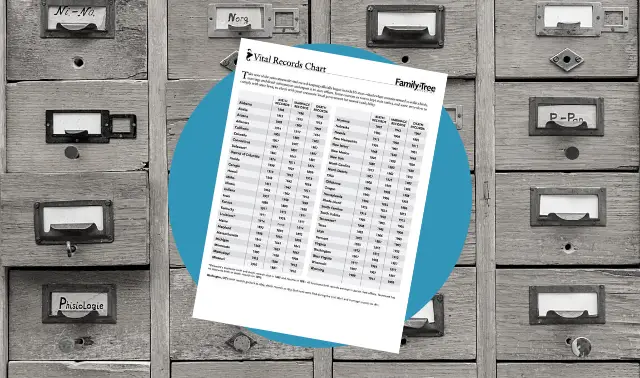
In recent years, numerous states, such as California and Illinois, have started to issue “uncertified copies” or “informational copies” of some vital records. These are clearly stamped as “not valid for identification” and may not be subject to the stringent restrictions. These documents contain just as much information as a document that has “certified” stamped all over it.
Related Reads


A version of this article appeared in the December 2009 issue of Family Tree Magazine. Last updated: November 2025.