
Some of the most important family traditions are more about intangible memories than keepsakes that you can hold in your hand. Special foods, silly games and groan-worthy jokes can become legendary among relatives. Preserve those memories with just as much care as you do grandmother’s silver service.
Build a Recipe Book
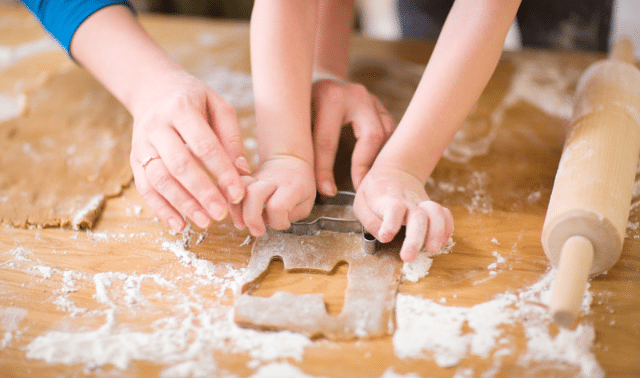
Most families have favorite foods that make an appearance at every special occasion. Make sure the recipes (and tips for making the dishes) survive for the next generation. Create a custom family cookbook that includes the recipes along with photos of the cook and the completed dish.
Online photo book sites offer a great selection and easy do-it-yourself templates; Shutterfly and Snapfish are two of the most popular. The Family Cookbook Project and Create My Cookbook offer formats specifically for recipe books.


Frame Food Moments
Food memories include more than the recipes themselves. Mom’s famous relish tray with black pitted olives, miniature corn cobs, and various sweet and sour pickles wasn’t just finger food. It was a family rite of passage: Toddlers knew to munch the olives one by one; Uncle Herm liked a specific grand of German pickles; and Herm’s brother Roy argued the merits of another brand.
To save those family preferences, create a handwritten (or typed) list of everyone’s favorites from a family dish or holiday meal. Then frame it and hang in a special place in the kitchen. You could even snap a photo and have the list printed on a commemorative tea towel through services like Spoonflower.
Record Audio and Video
Family conversations and stories can be powerful keepsakes with a little practice and preparation. Enlist your family’s tech expert to set up a voice recorder or camera at the next gathering, then record either the general scene or interviews with specific relatives. You could have everyone introduce themselves and share a favorite memory, or have a more-formal interview with (say) your oldest family members.
The Learning Channel (TLC) offers 30 dinner table prompts to kick-start the conversation. Some of my favorites:
- What’s your favorite book or story right now?
- If you could design a pair of shoes, what magical power would they have?
- What do you think your parents were like as babies?
Host Game Night—with Prizes
Does your family break out a jigsaw puzzle or game after dinner? Maybe it’s time to create a revolving trophy that moves with each year’s winner. That way, no one is “stuck” with another family heirloom—because this one doesn’t have a permanent owner!
The trophy could be the game itself (like a bingo set) that can be brought to the next family event. Write the annual winner’s name on the box or tape a certificate on top. Another option is to task the winner”with bringing a new puzzle or game to the next family gathering!
Custom trophies are also available at local trophy shops or the Etsy online marketplace (search for custom trophy). A custom puzzle made from a family photo would be a classic addition to the rotation. See Shutterfly for traditional jigsaws or wooden jigsaws at Wentworth Wooden Puzzles or Liberty Puzzles.
Write Them Down
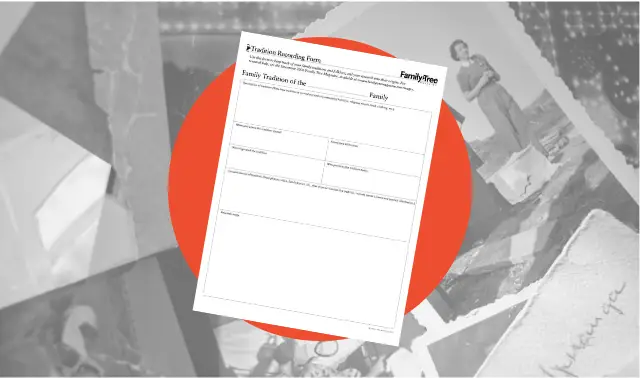
Use a blank lined journal to collect special family customs or assemble loose sheets in a three-ring binder. Do you all visit the cemetery on Memorial Day (or another holiday)? Are family birthdays celebrated with balloons and cake, or maybe a favorite pie? In some families, it wouldn’t be Christmas without attending Midnight Mass.
A handwritten account of a special family tradition—such as when and where you place the menorah or nativity crèche—is sure to become a treasured family heirloom. Include how and when the tradition began, who was present, and any changes that have been made over the years.
Genealogists know family lore is valuable, but it becomes part of recorded history once written down. Be sure to sign and date the pages and add any photos.
A version of this article was published in the November/December 2026 issue of Family Tree Magazine.
Related Reads