
It’s not easy telling new friends and acquaintances about my hobby. My usual response (“Genealogy”) is vague. When that is met with an uncomprehending look, I try “Oh, you know, family history.” That usually soothes the uninitiated—and those repulsed by unpleasant memories of elementary school history. Others wonder what a dull fellow I must be.
It’s only when I’m with a group of fellow genealogists that I dare to name my actual longstanding passion: cemetery-transcribing.
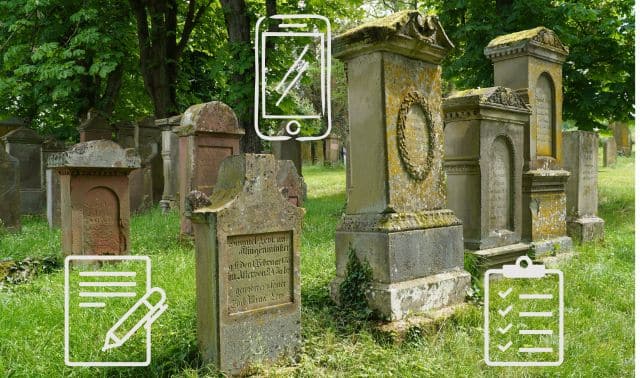
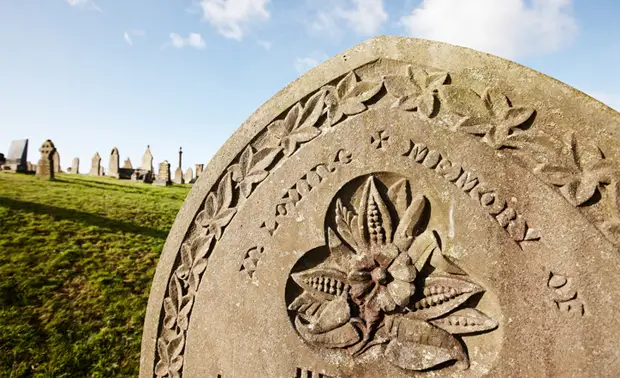
I’ve been haunting graveyards since I first started researching my family tree. I was fascinated by the names, carvings and variety of styles on tombstones. Even then, I knew that graves hold stories to the keen observer. My close friends, knowing the amount of time I’ve spent recording in local cemeteries, jokingly say that I belong to “The Old Dead Folks Club.”
I embarked on a project: transcribing all the inscriptions in nearby cemeteries. It gave me an excuse to return to interesting places, and to help researchers by sharing information they could otherwise only get on the ground.
Here’s what I’ve learned in my years of recording details of the dead: what to bring, the best tech to use, and how to give back to the genealogy community.
What You Need
Appropriate Clothing
Dress for the weather and unexpected changes to it. Have a jacket and walkable boots if rain is in the forecast or if the cemetery is unusually wet or cold. In the summer, bring a sunhat, sunglasses and sunscreen. Regardless of season, insect repellent is a must-have.
Tombstone Toolkit
Before you can transcribe a stone, you’ll need to be able to read it. Many cemetery buffs assemble a kit to help clean a stone and make it more legible.
For example, a trowel with scissors or clippers can help you remove debris that might be covering text at the bottom of a stone. (Remember a pair of work or gardening gloves to protect your hands, plus some wipes to clean them.)
Likewise, a soft cloth and spray bottle of water can remove dirt and provide higher contrast. Some visitors also bring a reflective object (a mirror, a piece of shiny metal, etc.) to redirect sunlight on text to help the figures stand out.
Lastly, you may want a camp chair or gardening kneeling bench to give you a place to rest. Both are
lightweight and portable, and the bench gives you the option to sit while resting or kneel while working.
Transcription Tools
For the actual transcription, you’ll need supplies that are suitable for on-the-go use. A pencil is the preferred writing utensil, since it won’t run or smudge like a pen or marker. Plus, errors made in pencil are easy to correct. Make sure you bring a spare pencil as well as a sharpener (in case the tip breaks).
You’ll also need something firm, lightweight, and travel-size to write on. A clipboard works well, anchoring your paper as you write (especially important in breezy weather).
How to Transcribe
Make a Map
Survey the cemetery ahead of time to identify natural rows of monuments, then make a map. Each cemetery is laid out differently, and a reference map can help you make sense of its structure. Refer to the grave in relation to identifiable features: fences, trees, sheds or lanes. An accurate map will help you both find the tombstone again and more easily identify family groups.
Copy All of What You See
The Golden Rule of Cemetery Transcription: Copy everything that you see exactly as it appears. Don’t try to correct perceived errors. As you write, copy the structure of the inscription as well. Break data into lines just as the tombstone does, or use a slash to represent the end of a line.
Don’t forget to make notes about the tombstone’s physical appearance as well. Look at every side of the monument (including the marker) and indicate any concerning damage or notable attempt at repair. Check for footstones, cornerstones or grave enclosures.
Stay Organized
Transcribe tombstones in order by row, section by section. Carefully number the rows and label each
monument as you go.
What Tech Tools Teach Us
Digital Camera or Smartphone
Even if you’re hand-writing transcriptions, taking a photo of the stone is critical. Photos can help you quickly and efficiently capture dozens or even hundreds of tombstones, then create a text transcription later. Photo- editing software can even give you more insight on faded text than a close examination of the physical stone.
As when transcribing, document all sides of a stone—even details that might seem insignificant. Use your reflective object to get better light on sides of a tombstone hidden in shadow.
Recording Device or App
Another option is reading aloud the details on a tombstone and recording the audio with a mobile app or
dedicated recorder. Spell out names in addition to speaking them, and repeat dates with careful annunciation.
As you go, make sure you include a reference number or code that ties in to a map.
When you get home, you can use transcription software to turn your audio into a text script.
Tombstone-sharing Website
Give back to the genealogy community by sharing what you’ve found online. BillionGraves and Find a Grave are massive databases that house digital images of tombstones, uploaded by users around the world. Another site, Interment.net, prioritizes cemetery transcriptions rather than images.
Other websites specialize in military graves, religious denominations, or countries. Among them are The War Graves Photographic Project, JewishGen Online Worldwide Burial Registry and CanadianHeadstones.
No matter where you contribute tombstone data, your work adds to a growing body of knowledge accessible to millions of researchers.
What You Can Expect
Quality Alone Time
Cemetery-transcribing is a solitary business. You’ll spend many hours alone in burial grounds, reading,
recording and mapping. Even if you’re working alongside other transcribers, you’ll likely work in silence to focus on accuracy.
Peaceful Settings
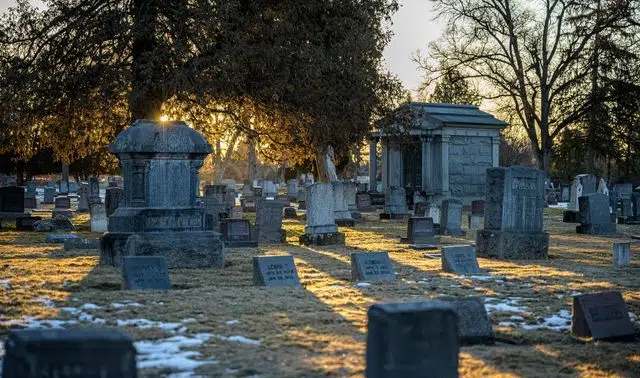
There’s no place quite as serene as a cemetery. Calm, unhurried time can be made especially pleasant by a warm summer morning or sunny autumn afternoon. Some places are scenic beyond description: hilltop vistas, lush green forests, and beautifully landscaped gardens.
Curious Onlookers
You’ll occasionally encounter stares, whispers and maybe intrusive questions from other visitors. Treat these as opportunities both to educate (about the importance of preserving tombstones) and to learn (possibly about the place and its residents).
What to Do Next
Touch Up Your Work
Your work isn’t finished just because the weather outside gets cold. Before you know it, the snow will melt and you’ll be ready to don your rubber boots again.
In the mean time, you have plenty to do from the comfort of home: typing up your transcription, indexing entries, and writing family histories. You might even re-draw your map, carefully labeling markers to match your transcriptions, photos and recordings. Share a copy of your work with a local genealogical group.
Compile a History and Burial List
In your cemetery journeys, you may find a burial ground without any monuments. Try piecing together a burial list using land records, local church records, newspapers, published histories, and input from residents. With luck and dedication, you’ll eventually gather enough facts to document the stories of the deceased.
Focus on Accuracy
Most people who transcribe cemeteries are dedicated to their work. They return to the same spot many times, sometimes spending weeks or months recording, checking and re-checking.
The work of recording cemeteries is never complete; there are many yet to be documented. Even those that have been transcribed may need updated—including as new graves are dug. If you have the inclination and the time, “The Old Dead Folks Club” is always looking for new members.
Related Reads

This article was published in the September/October 2025 issue of Family Tree Magazine.


