Clearly, you sometimes need to get creative when searching for an ancestor in the Ellis Island database. But what do you do if you still can’t find your ancestor? Here are five key questions to ask when you’re stumped:
1. Did your ancestor actually come through Ellis Island?
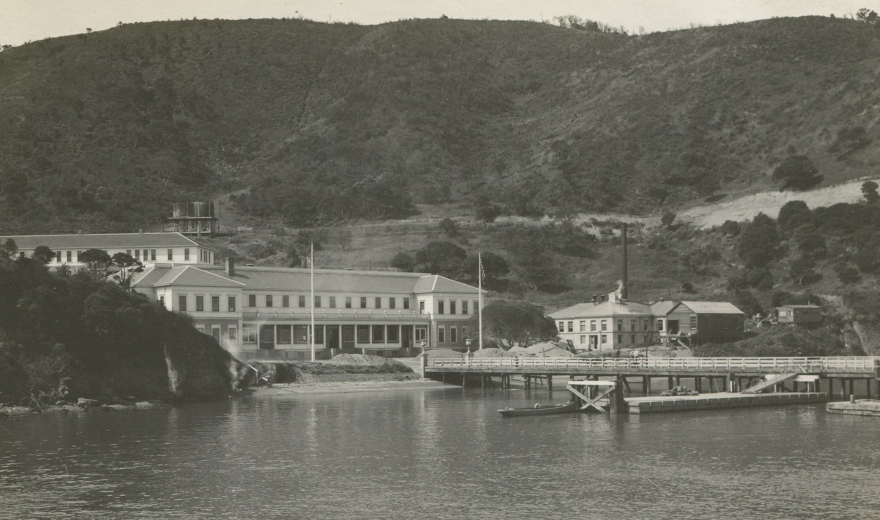
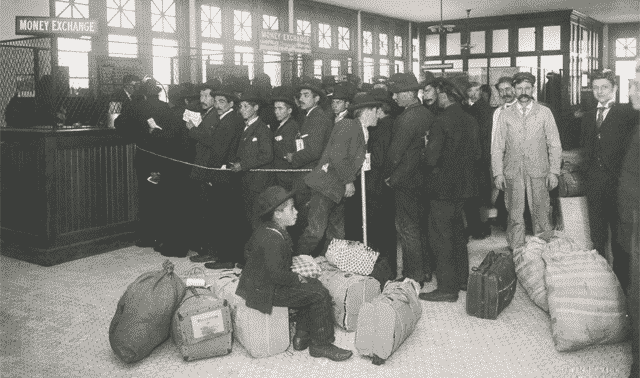
Because Ellis Island was the leading immigrant receiving station of its day, many people think their ancestors came through the Port of New York, when they might have come through one of the other major US ports or Canada. Going back to Angela Vallarelli, she had six siblings who all immigrated to America, presumably through Ellis Island. I could find all but one. After wearing down my teeth from grinding them each time I’d get a negative search result on the Ellis Island database, I began to wonder if he might have come through another port. Sure enough, he came through the Port of Boston, not New York.
2. Did your ancestor arrive during the right time span?
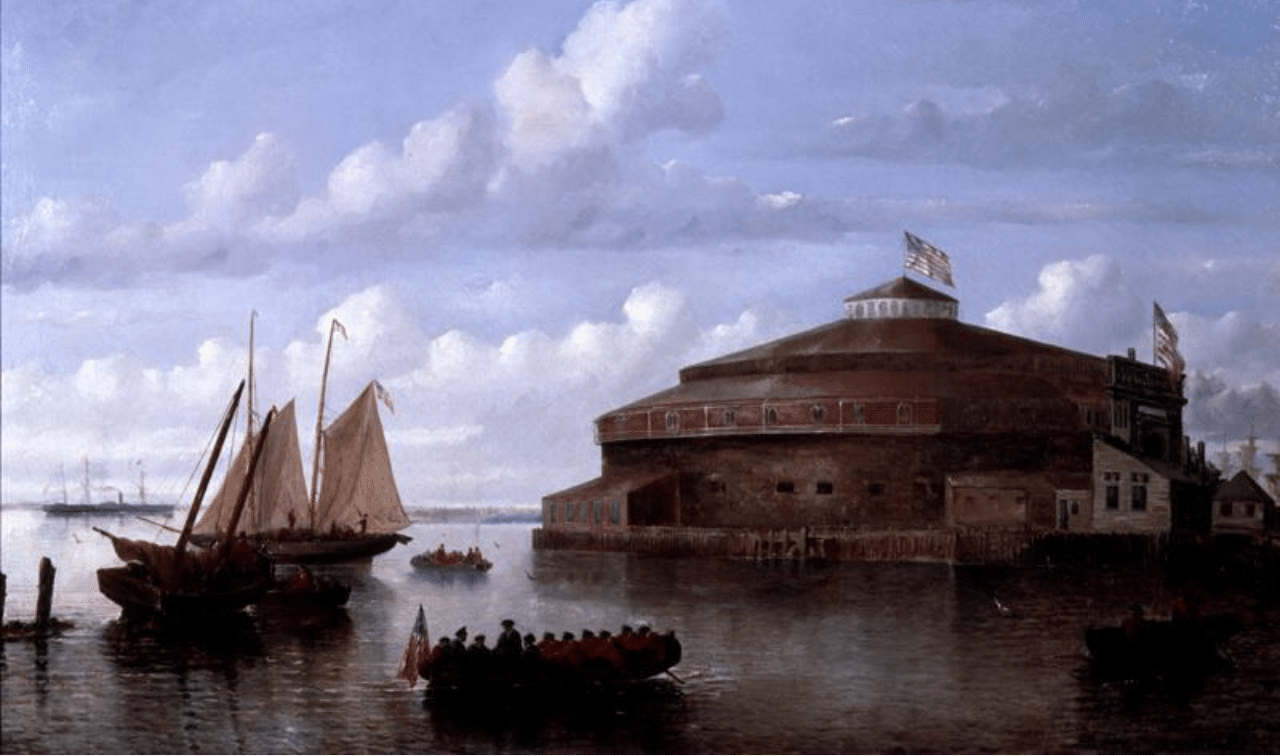
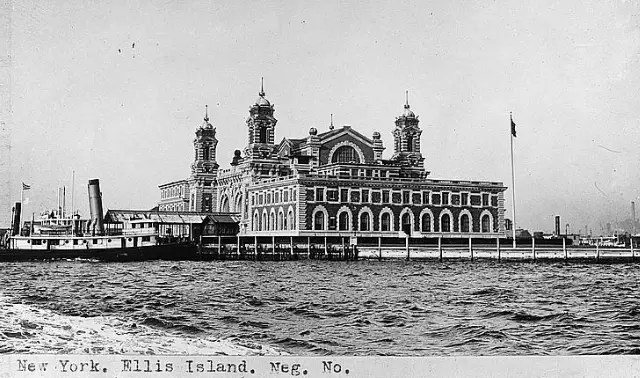
Remember that Ellis Island only operated from 1892 to 1924—after the largest influx from Germany, Scandinavia, Great Britain and Ireland. If your ancestor came before Ellis Island opened, look for them at Castle Garden.

3. Are you checking for immigrant women under their maiden names?
While this custom was more prevalent in Catholic countries, it never hurts to try this strategy even if your ancestor wasn’t Catholic. Regardless of whether the woman was traveling alone, with her spouse or with her children, she might be recorded on the list by her maiden name. Don’t know what her maiden name was? If she did travel with her children, they should be recorded under their father’s surname. So look for the kids.
4. What age was she when she arrived?
To avoid latching on to the wrong immigrant in the database — another person with the same name or initials, for example — you’ll need to know your ancestor’s approximate age when she (or he) came to America. It’s also helpful to know the town of origin. Any other identifying information can help find the right immigrant.
5. Have you checked for transcription-related spelling variations?
Keep in mind that you’re at the mercy of the transcriber who looked at the microfilmed copy of the passenger list and tried to interpret the name to enter it into the database. A transcriber unfamiliar with the German clerk’s script may convolute a name or place name you’d find easy to read because you’ve looked at records with that type of script before. Take, for example, Angelina Vallarelli from Terlizzi, Italy: The transcriber had problems reading Terlizzi because the clerk’s T looked like a C. So the transcriber wrote the place of residence as Cerlizzi. If that happened to your ancestor’s name, you won’t have a prayer of finding your ancestor in the database. But all is not lost—you can still do it the old-fashioned way.
Don’t get me wrong — the Ellis Island database is a good starting place and perhaps the greatest thing to come along since reduced-fat cookies. For those who hit the nail on the head, instantly finding their forebears, the database is a dream come true. But if you’re having problems tracking down your Ellis Island immigrants, the Island of Hope and Tears can be just as challenging for you as it was for your ancestors. Not to worry. You still have ways to trace your Ellis Island ancestors. And the worst of ’em is cranking a roll of microfilm.
Related Reads


A version of this article appeared in the May/June 2018 issue of Family Tree Magazine. Last updated: October 2025