
250 years ago this summer, 56 men in a stuffy Philadelphia hall signed their names on a piece of parchment.
It was no ordinary document. Upsetting a century and a half of status quo, the signers put forward a litany of grievances against their government. They spelled out principles they felt were “self-evident”: that all men (regardless of pedigree, political belief, or religion) were created equal.
The Declaration of Independence wasn’t just revolutionary—it was treasonous. If the Revolution had ended differently, it might as well have been a death warrant for those who signed it.
The signers’ spirit of liberty, resilience and daring set their young nation in motion. And this year, Americans across the continent are celebrating that history for the country’s 250th “birthday.”
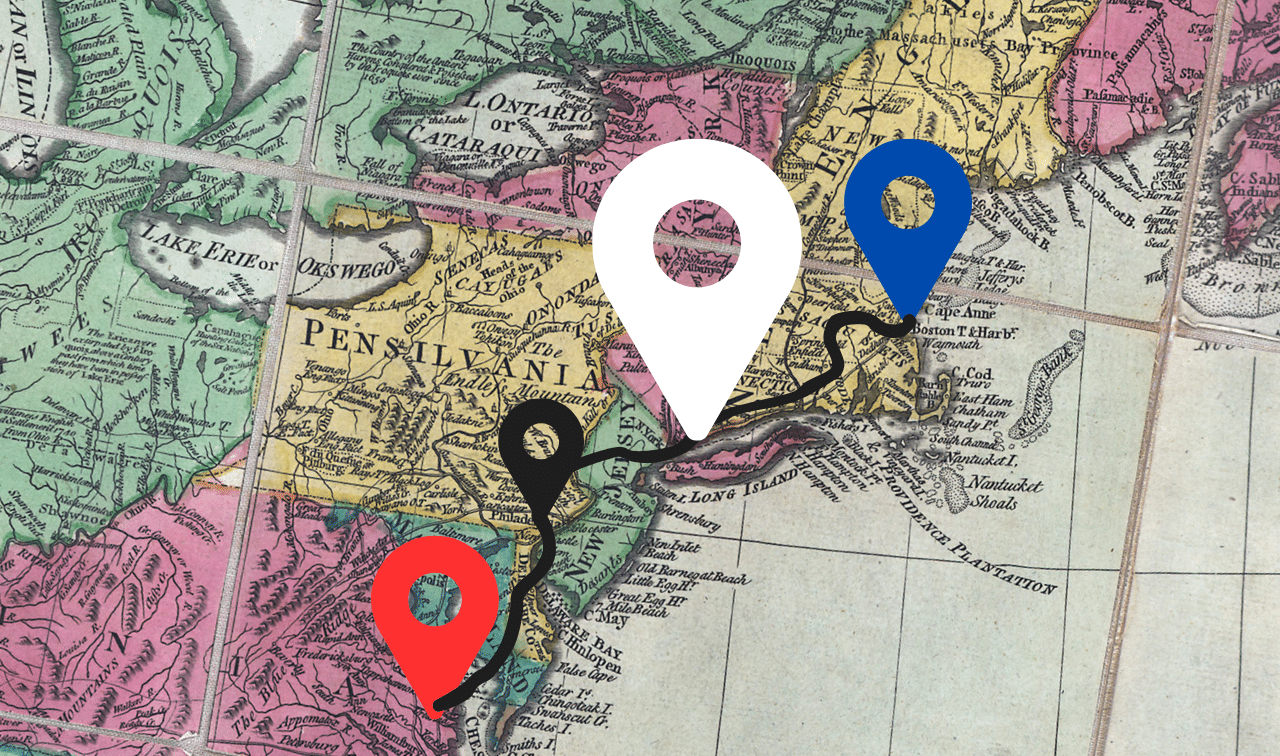
If you’re looking to join in the festivities yourself, this list will help you identify possible destinations at historic hotspots along the East Coast. Some host events are part of the “official” America250 program. Others are historical sites looking to add their own voices.
Boston, Mass.: Remembering Sons (and Daughters) of Liberty
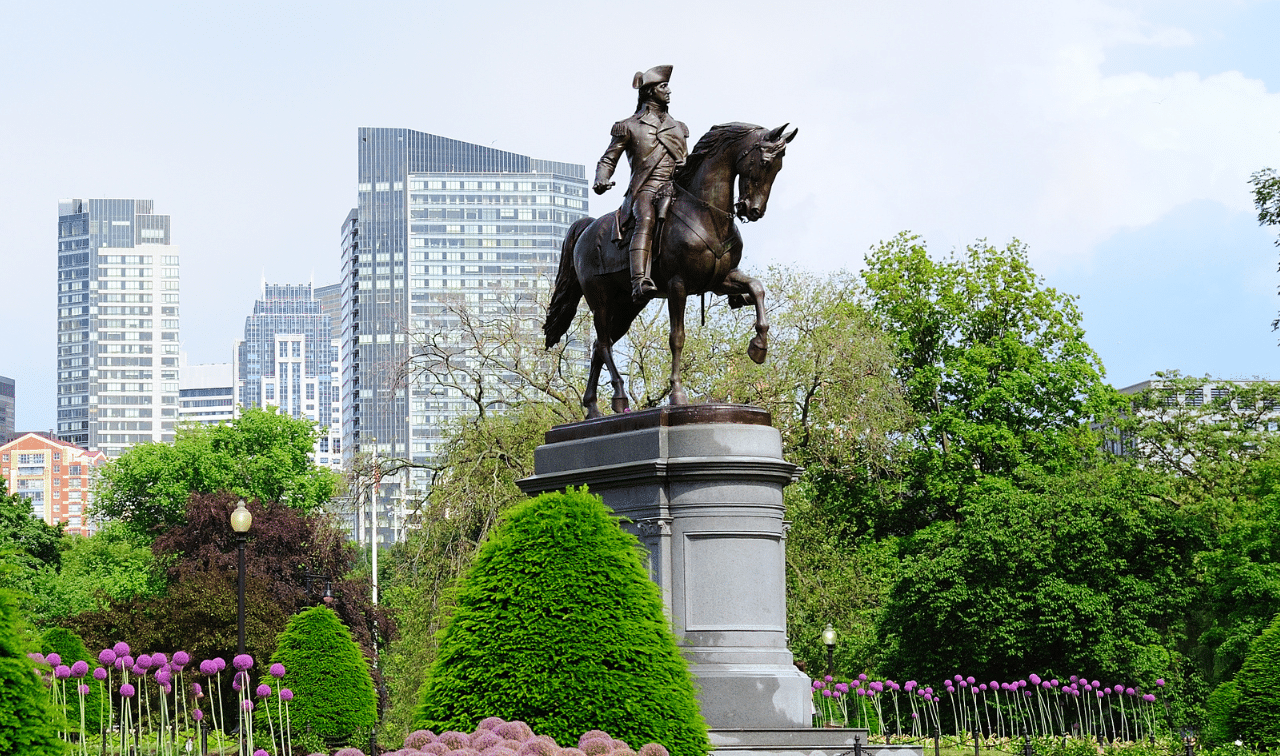
“Beantown” played a central role in the early phases of the American Revolution. In fact, many seminal events there have already celebrated a 250th anniversary: the Boston Massacre (March 1770/2020), the Boston Tea Party (December 1773/2023), the Battles of Lexington and Concord (April 1775/2025) and Bunker Hill (June 1775/2025), and Evacuation Day (March 1776/2026).
Yet there’s no shortage of historical pride in the city this summer. The Freedom Trail, a collection of Colonial- and Revolutionary-era historical sites, has daily walking tours. Highlights include the historic Boston Common, Old North Church and the Bunker Hill Monument.
Another stop along the Trail, the Old State House, has a special “Road to Revolution: Massachusetts and the Independence Movement” exhibit. Open daily, the exhibit runs through January 2027 and includes a variety of primary historical documents, including a rare copy of the Declaration of Independence.
Floating on Fort Point Channel, the Boston Tea Party Ships and Museum has several exhibits and immersive experiences from the Revolutionary era, including a full-size replica of a contemporary ship.

Also nearby is the headquarters of the New England Historic Genealogy Society (also known as American Ancestors). Its recently opened Family History Experience offers prompts to help visitors explore their ancestry and cultural traditions. This summer’s “Patriots of Color” exhibit showcases the long-overlooked contribution of Black and Native people to the Revolution.
The society has also created a central landing page for some of its most valuable research guides about and record collections from the period .
Find more local events through Revolution 250, a joint effort from several New England organizations including NEHGS, Boston Tea Party Ships and Museum, and the Freedom Trail Foundation.
Charleston, S.C.: The Southern Warfront
Charleston’s rice and indigo plantations (as well as its prominence in the slavery economy) made it the richest city in Colonial America and the fourth most-populous.
A small Patriot force on nearby Sullivan’s Island turned away British warships in June 1776, an early victory for the Continental Army. Today, the National Park Service maintains Fort Moultrie, where the battle that’s commemorated as Carolina Day took place.
Programming at the fort June 27 and 28 (the 250th anniversary of the battle) includes live historical weapon demonstrations, guided tours, and living-history experiences. A ceremony on the 28th will formally recognize the battle with a wreath-laying and military tribute.
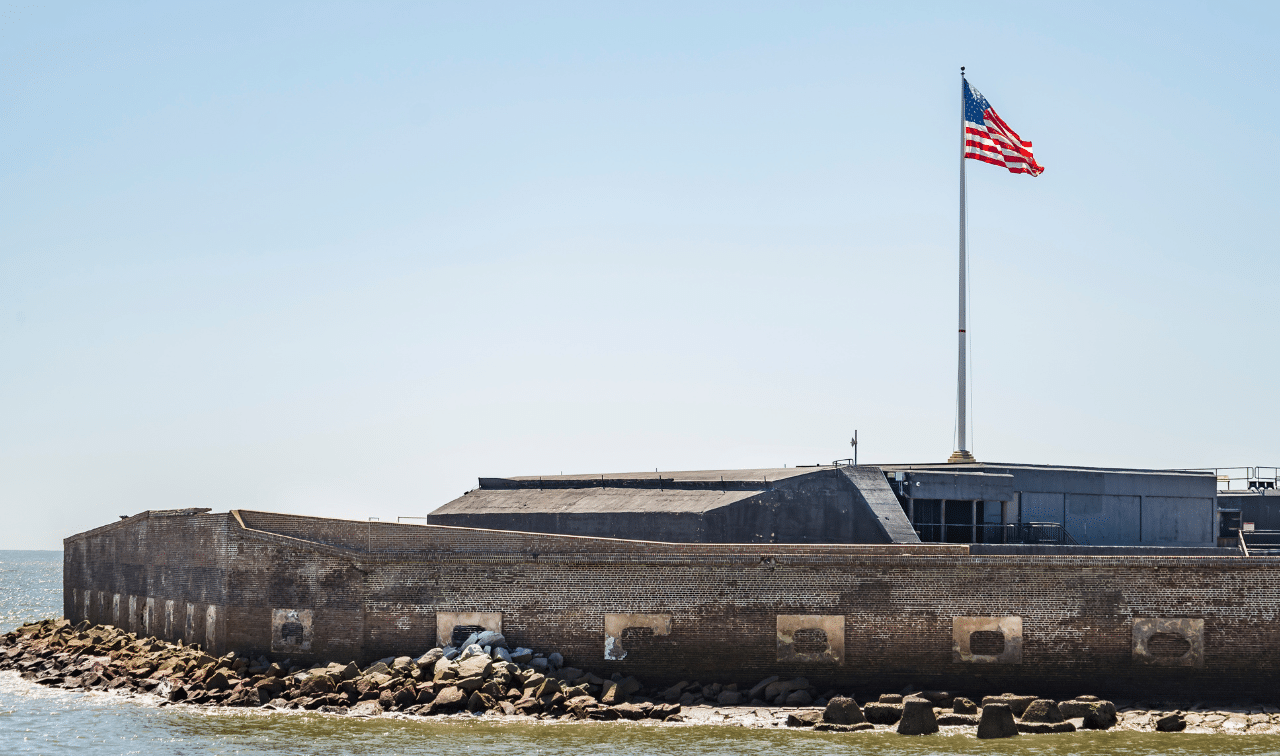
Fort Sumter, where the first shots of the Civil War were fired, also lies in Charleston Harbor. Dedicated ferries transport visitors to the island (which has a museum and ranger talks). Passengers on the first and last ferries of each day can help park rangers raise or lower the US flag over the fort.

Historians estimate that 40 to 50 percent of enslaved Africans who arrived in Colonial America passed through Charleston Harbor. Along the coast is the International African American Museum on historic Gadsden’s Wharf, where many recently arrived enslaved Africans were sold. The museum has more than a dozen exhibits as well as a Center for Family History.
As a “leading city” of America250, Charleston has gathered various partners to create public events tied to the anniversary. One contributor is Charleston Museum, which will host several lectures, guided tours and exhibits related to the Revolution. Among the attractions is an original copy of the Declaration of Independence.
“SC250 Charleston” events culminate in the Waterfront Independence Day Celebration on July 4, which promises “family-friendly, patriotic programming” and a large firework display.
New York, N.Y.: Colonial Calamity, Commerce and Culture
Colonial New York City wasn’t the megacity we think of today. Its population of roughly 25,000 made it the second-most-populous city in the Colonial America, but settlement extended just to modern Reade Street. In 1776, it was the site of two disastrous battles for the Continental Army, resulting in British occupation.
At bustling Times Square in Manhattan, visitors this summer can experience an extremely rare sight: a New Year’s-style Ball Drop at 12 am the night of July 3–4. Per America250’s website, it will be the first time the Times Square has risen and fallen on a day other than New Year’s Eve. Organizers are also planning a “weekend-long celebration of special exhibits” with music and other experiences.
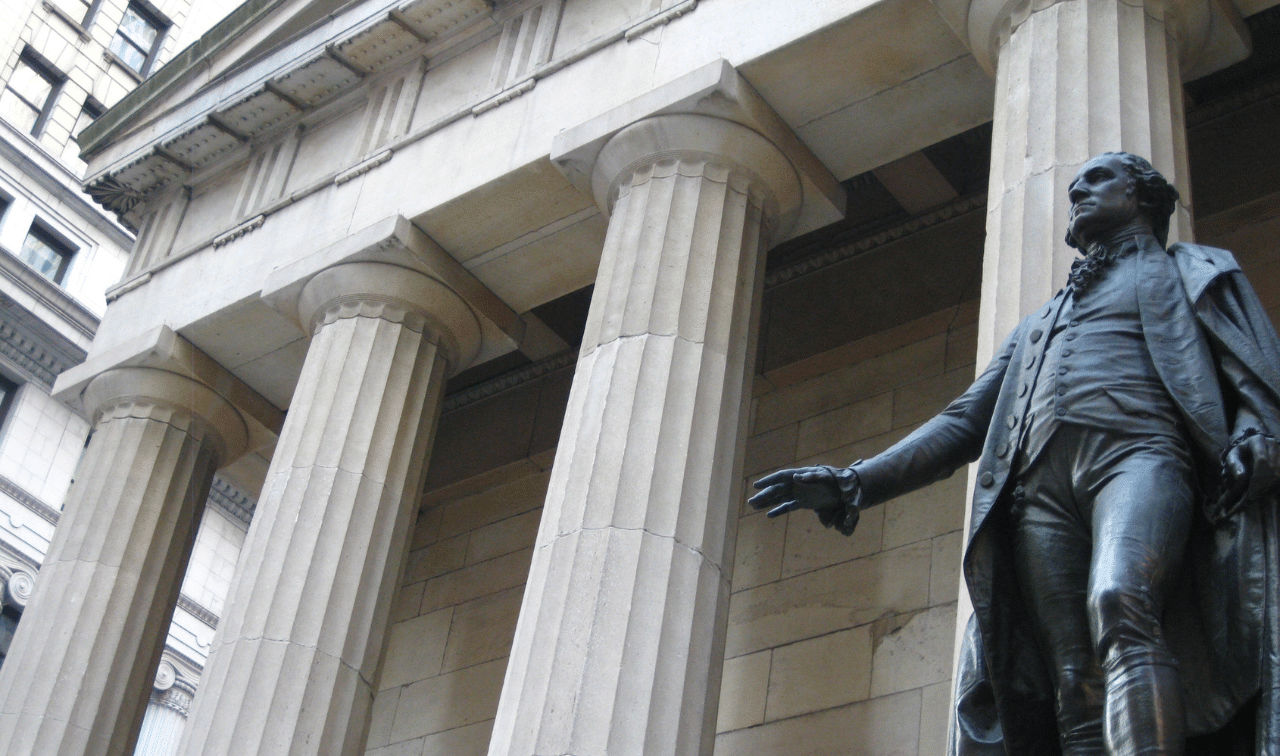
The city was selected as the nation’s capital under the Articles of Confederation. And a few years later, George Washington was sworn in as the first president on the steps of Federal Hall in the modern Financial District. The site today is a museum that offers daily guided tours.
Down the street is historic Trinity Church. Originally built in 1698, the church burned as part of a great fire in 1776. Once rebuilt, it was a worship spot for many important government officials including George Washington, John Jay and Alexander Hamilton (who is buried in its graveyard). Today, you can walk the churchyard and sanctuary, or visit a monument to Revolutionary War soldiers thought to be buried there.
Though not from the Revolutionary era, the Statue of Liberty and Ellis Island are just a 10-minute walk (and a ferry ride) away from Trinity Church and Federal Hall. One ticket will give you access to both Liberty Island and Ellis Island, as well as admission to their respective museums. Donors who contribute $50 or more to the foundation will receive a special commemorative medallion.
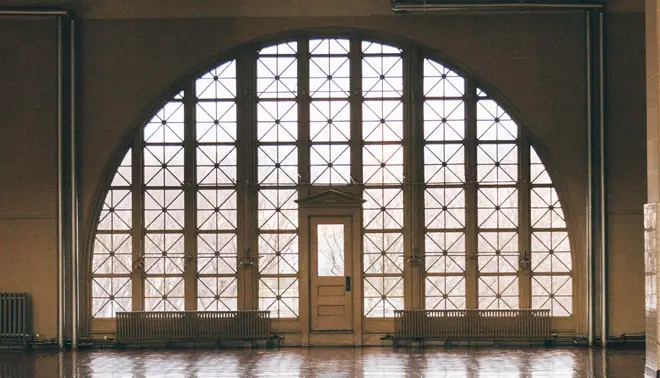
Ferries to the two islands leave from yet another site important to US immigration history: Castle Clinton in Battery Park. Knowledgeable park rangers offer free daily tours.
Other events include an International Naval Review in New York Harbor, headlined by the Navy’s famous Blue Angels squadron.
Far upstate, re-enactors will create a “Real-Time Revolution” at Fort Ticonderoga. This immersive program charts the experiences of soldiers who were stationed at the fort for three continuous years. July 3 to 5, 1776, corresponds to the Continental Army’s retreat to the fort after a failed invasion of Quebec.
Philadelphia: The Capital of Revolution
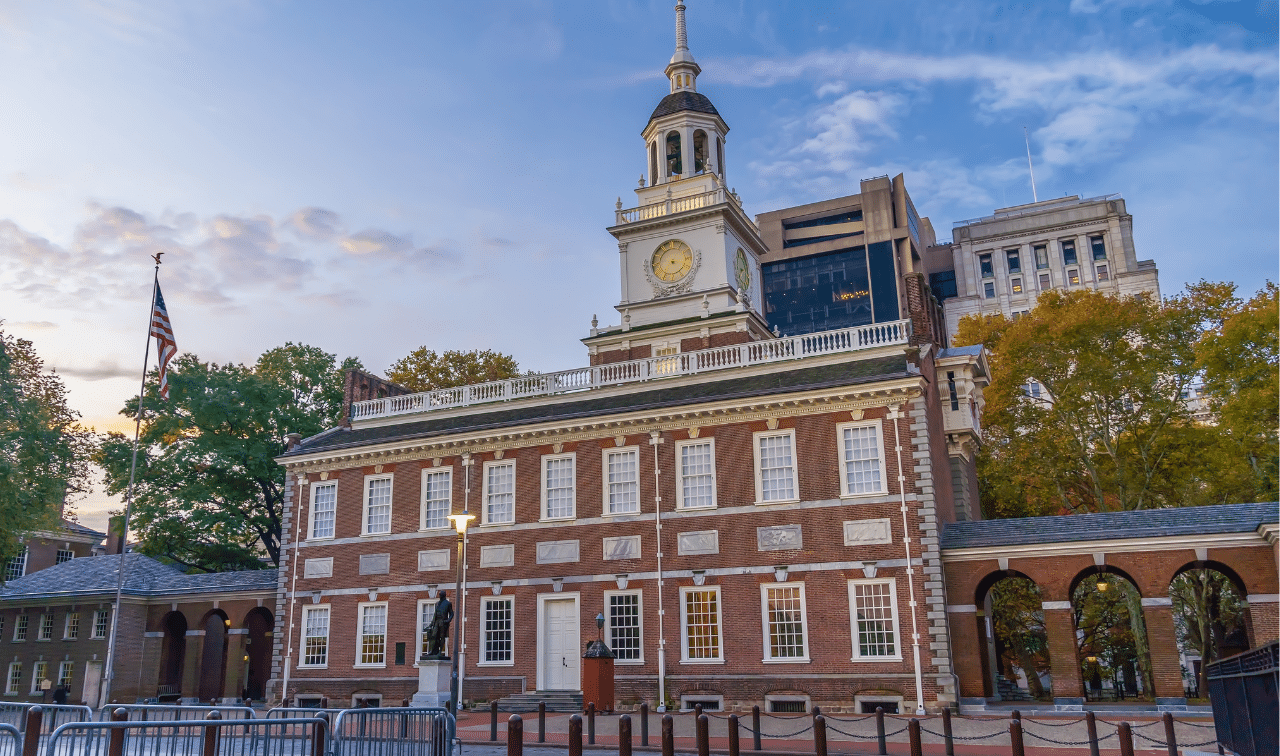
It’s hard to overstate the importance of Philadelphia to the Revolution. The most-populous city of the time, Philadelphia played host to several important political meetings: the two Constitutional Congresses and the Constitutional Convention. The Declaration of Independence, Articles of Confederation and the Constitution were all adopted in Independence Hall. And the city was twice occupied by the British during the war, forcing Congress to flee.
Independence Hall is now part of Independence National Historical Park, which also includes the Liberty Bell, Congress Hall (where Congress met from 1790 to 1800) and President’s House (where George Washington and John Adams each lived before the founding of Washington, DC).
A big Fourth of July celebration is planned for the park, where dignitaries will install a time capsule meant to be opened on the country’s 500th anniversary in the year 2276. Other events include a wreath-laying at the Tomb of the Unknown Soldier of the American Revolution in nearby Washington Square, a live reading of the Declaration of Independence, and a ceremonial tapping of the Liberty Bell.
A few blocks away, the First Bank of the United States is scheduled to open to the public for the first time in 50 years on July 1. Soon to be a museum, the historic building has been celebrated for its striking Corinthian columns and interior rotunda.
Down the street is the Museum of the American Revolution. In addition to period artifacts and artwork, the museum has a running exhibit “The Declaration’s Journey,” which traces the document’s impact on independence movements around the world.
North of Independence National Historical Park is the National Constitution Center. Its museum houses Signers’ Hall (a collection of 42 life-size bronze statues of the Constitution’s framers) and several exhibits about Constitutional topics, including a new-in-2026 gallery on the separation of powers.
The previously mentioned are just a few of the landmarks in Philadelphia’s Old City and City Center East. You’ll also find historic statues, the Benjamin Franklin Museum, the Betsy Ross House, and the Museum of American Jewish History.
For sports fans, Philly also hosts this year’s Major League Baseball All-Star Game and related festivities (July 14) as well as several landmarks from the boxing film “Rocky.”
Williamsburg, Va.: Living Colonial History
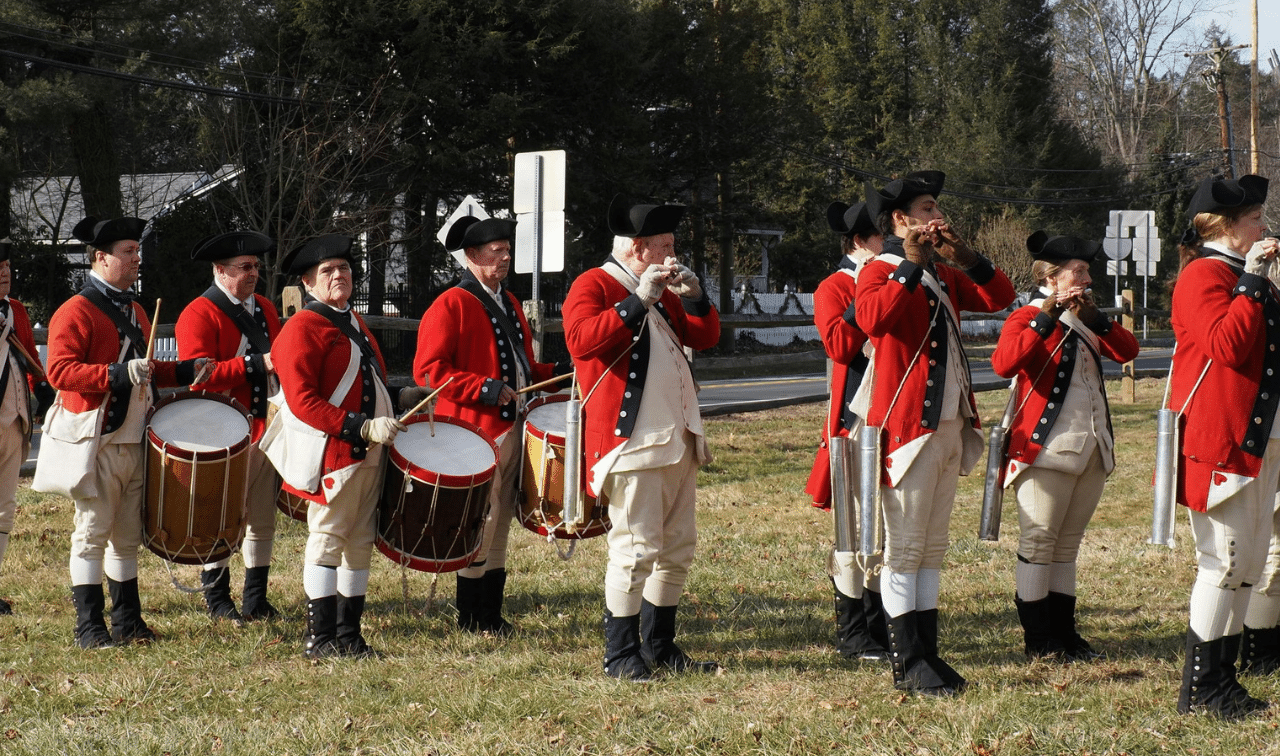
As the capital of Virginia (1699–1780), Williamsburg was a center of Colonial politics, trade and culture.
It was also the site of the Gunpowder Incident of 1775, in which local militia were mustered when Virginia’s royal governor attempted to remove military supplies from the city’s magazine. Taking place just two days after the Battles of Lexington and Concord, the event was another falling domino that pushed the Colonies to rebellion.
Today, Colonial Williamsburg has become synonymous with immersive living history experiences. Its 301-acre Historic Area features functioning tradeshops, engaging historical actors in period dress, and family-friendly crafts inspired by colonial life. Connected Art Museums collect thousands of folkart samples and host concerts and other cultural events.
Williamsburg has a slew of special events planned throughout 2026. Fourth of July celebrations include musical and theatrical performances, public readings of the Declaration, and fireworks.

Williamsburg is just the northernmost tip of the “Historic Triangle,” a collection of three important sites near the mouth of Chesapeake Bay that are connected by the Colonial Parkway.
The second is Jamestown, where the Virginia Company founded Britain’s first lasting colony in North America in 1607. Its legacy is preserved today in two heritage sites, both of which also commemorate the arrival of the first enslaved Africans in 1619.
Historic Jamestowne, run by the National Park Service, includes ongoing archeological projects and a reconstructed New Town, as well as the remains of the original 1607 James Fort. Actors share the experiences of key historical figures, and experts offer tours and lectures about the era. On the agenda for summer 2026 are a four-part “Jamestown: Road to Revolution” lecture series and a weekly “Join the Assembly!” interactive program.
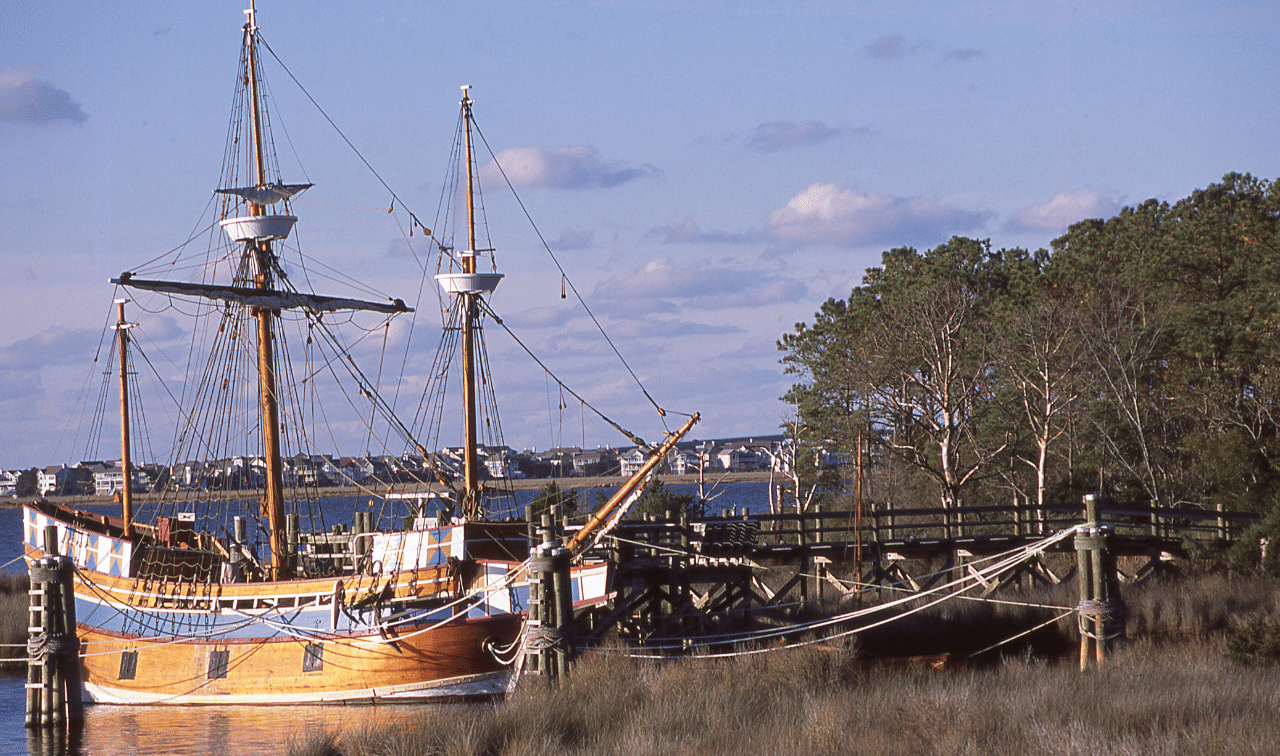
Less than two miles away, the separate Jamestown Settlement offers gallery exhibits and living-history areas that capture daily life in early Jamestown. Visitors can explore a re-created fort and town area, as well as replicas of the three ships that brought settlers to the colony in 1607.
The third point of the Historic Triangle (and the one with the most direct relevance to the Revolution) is Yorktown. It was there in 1781 that British General Charles Cornwallis surrendered to Continental forces and their French allies.
The American Revolution Museum at Yorktown holds various artifacts and educational galleries related to the battle, as well as an immersive, period-accurate farm and army camp. Because the site is run by the same foundation as Jamestown Settlement, visitors can purchase a discounted combination ticket to the two sites.
The site of the actual battle is preserved at Yorktown Battlefield. Also run by the National Park Service, the park offers self-paced tours of historic landmarks, either by foot or by car. Because Yorktown was besieged during the Civil War, it encompasses some Civil War fortifications, plus graves of Union and Confederate dead.
Visitors can purchase an “America’s Historic Triangle Ticket” that grants access to the five aforementioned sites: Williamsburg, Historic Jamestowne, Jamestown Settlement, and the museum and battlefield at Yorktown.
Most of those destinations are also participating in a special Virginia 250 Passport. In addition to highlighting hotspots through Virginia, the passport offers special discounts. Learn about more America 250 events including at Monticello and Mount Vernon here.
America 250 From Home
Don’t fret if you can’t travel this summer—there are almost certainly special events in your own community. Search the name of your state and/or city along with America 250 to see if there’s a directory of local programs. You can also take part in these virtual events and projects:
- FamilySearch has a partnership with America250, plus a landing page of related lectures from Roots-
Tech. Check your local FamilySearch Center for special events or commemorations. - Follow “Flag Sojourn 250,” an Olympic torch-style journey of a US flag to all 50 states as well as some territories. The project began on Flag Day 2025 with a final destination of Washington, DC.
The Department of the Interior has a database of events around the country at national parks and historic sites. - The National Genealogical Society published a downloadable toolkit with a summary of some major events, plus suggestions for how you can celebrate in your own community.
- Our American Stories, an official America250 project, is collecting nominations for living people. Selected candidates will have their stories recorded and preserved at the Library of Congress.
- The Smithsonian offers a series of online lectures and programs “that illuminate the story of America and its people”.
It’s often said that America is a melting pot: a patchwork of cultures, languages, religions and traditions as diverse as the people who live there. It’s appropriate, then, that there are so many ways to recognize one of its foundational milestones.
No matter how you celebrate America’s big birthday (and even if you choose not to celebrate at all), take some time this summer to reflect on US history—and your ancestors’ place in it.
A version of this article appeared in the May/June 2026 issue of Family Tree Magazine.
Related Reads


