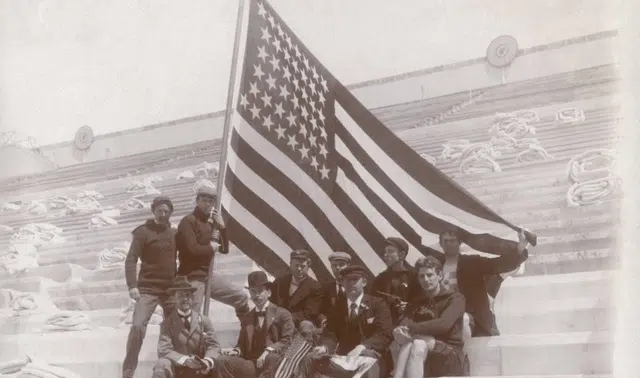
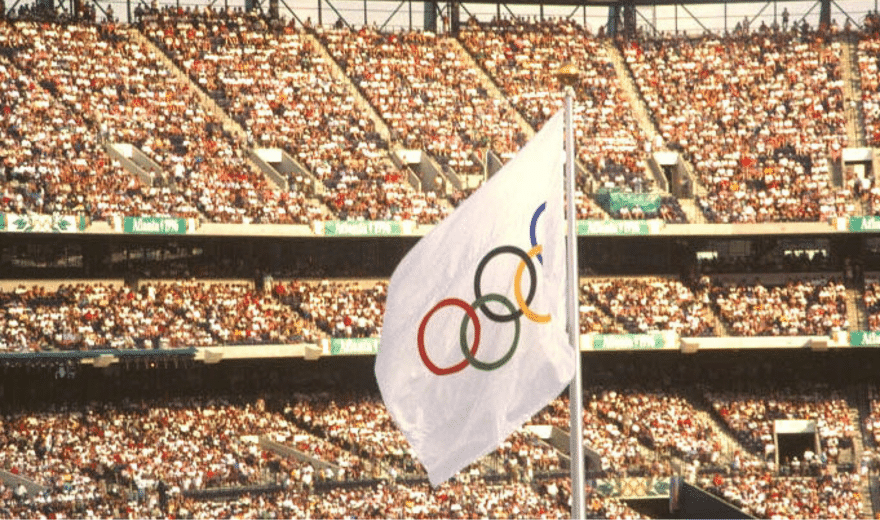
Athletes around the world will compete over the next couple months at the 2026 Winter Olympics in Italy. The Olympic games have a deep (and sometimes surprising) history. Here’s a history of the Olympic Games and how they’ve evolved since your ancestors have followed them.
Ancient Olympic Games (776 BCE–393 CE)
The original Olympic Games began in ancient Greece at Olympia, a sacred sanctuary that held regular religious ceremonies. The Greeks held the Olympics every four years in honor of the god Zeus. However, these early Games weren’t just sporting events, they were also large religious festivals, as well as political and social gatherings.
The Olympic Games were not the only major games in ancient Greece. They were part of the Panhellenic games, which also included the Nemean Games (honoring Zeus), the Pythian Games (honoring Apollo), and the Isthmian Games (honoring Poseidon). Other festivals included the Panathenaic Games, which took place in Athens as part of the Great Panathenaea, a festival in honor Athena. Many communities also held local competitions across Greece.
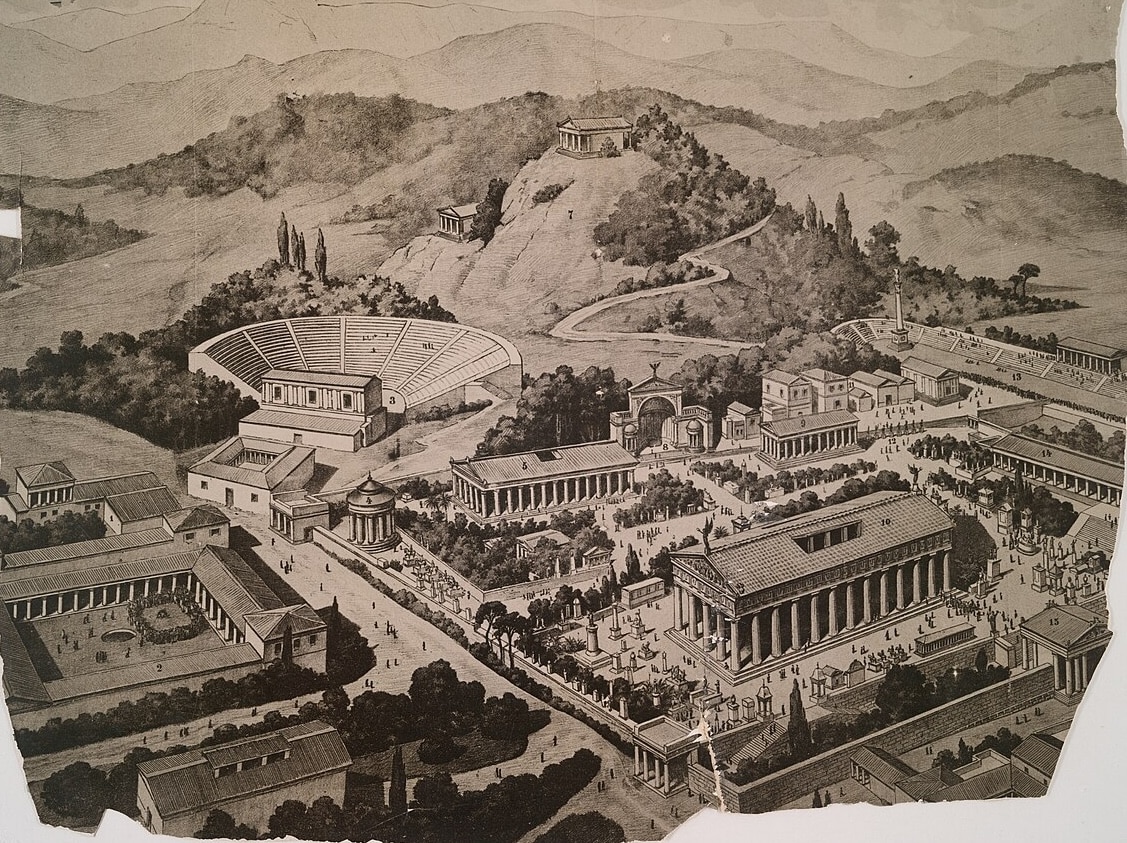
Competitors in these early Olympic Games were free Greek men, although some women were victorious as owners and trainers of horses in the chariot races. The athletes trained for the Olympics at public gymnasiums and, much like today, had specialized and experienced trainers. And, yes, like the old myth goes: they did, in fact, train and compete in the nude for most events.
The victors of the Games earned an olive tree wreath. They also gained lifelong fame, high social status and artists depicted many of them in statues in their hometowns and in sanctuaries like Olympia.
The stade, a 192-meter sprint, was the only event recorded at the earliest Olympic Games. Over time, the program expanded to include wrestling, boxing, pankration (a brutal blend of boxing and wrestling), chariot racing, foot races, the long jump, and the pentathlon (wrestling, long jump, the stade, javelin, and discus).
Aristotle estimated the date of the first Olympics as 776 BCE and the Games continued through the Roman conquest of Greece, declining in popularity before experiencing a revival under Emperor Augustus, who renovated the stadium at Olympia and subsidized Greek athletics. By the 3rd century CE, interest in the Games had faded again, and the last officially recorded Games were held in 393 CE under Theodosius I, though archeological evidence indicates that some games were likely held after.
The Modern Revival (1896–1912)
Early revivals of Olympic-style games (1600s to late 1800s)
The idea of calling athletic competitions “Olympic” didn’t disappear after antiquity. Since the 1600s, organizers across Europe borrowed the name to describe this style of sporting festivals. One of the earliest was the Cotswold Games in England (held annually between 1612 and 1642), followed by Revolutionary France’s L’Olympiade de la République (1796 to 1798), which introduced the metric system to sports.
Other “Olympics” were held:
- 1834 and 1836: Olympic Games in Ramlösa, Sweden
- 1843: Olympic Games in Stockholm Sweden
- 1850: William Penny Brookes started an Olympian Class in Shropshire, England (later renamed the Wenlock Olympian Games). This sporting festival still continues until today.
- 1862-1867: Annually held in Liverpool, England, the Grand Olympic Festival were the first games to be international. The program of the first modern Olympiad in Athens in 1896 was nearly identical to the Liverpool Olympics. The founders, John Hulley and Charles Pierre Melly, as well as E. G. Ravenstein, founded the National Olympian Association in Liverpool in 1865, which was a predecessor to the British Olympic Association. Its articles of foundation provided the framework for the International Olympic Charter.
- 1866: A national Olympic Games in Great Britain was held at London’s Crystal Palace
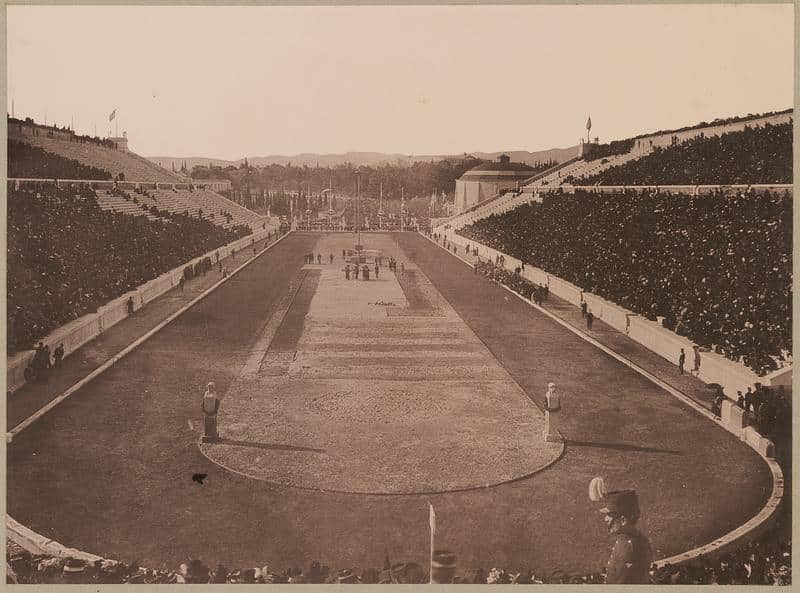
At the same time, Greece was pursuing its own revival. After gaining independence from the Ottoman Empire, philanthropist Evangelos Zappas funded a series of Olympic Games in Athens beginning in 1859 and restored the Panathenaic Stadium, which hosted additional Games in 1870 and 1875.
The early years of the IOC (1896–1912)
After attending the Olympian Games of the Wenlock Olympian Society in 1890, Baron Pierre de Coubertin was inspired to found the International Olympic Committee (IOC) to promote international peace and friendship through sports. Coubertin built on the ideas and work of Zappas and other predecessors aiming to establish an internationally rotating Olympic Games that would occur every four years.
This idea was presented at the first Olympic Congress of the newly created IOC held in June of 1894 at the University of Paris, which then decided that the first Olympic Games would come under the auspices of the IOC and occur in Athens in 1896.
The IOC revived the modern Olympics in 1896 in Athens at the Panathenaic Stadium. The first games brought together 14 countries and 241 athletes that competed in 43 events.
Despite the early success, the movement nearly collapsed. The 1900 Paris Games and the 1904 St. Louis Games, both tied to world’s fairs, were disorganized and poorly attended. The 1904 Olympics saw 650 athletes compete, but 580 were American.
Public enthusiasm finally rebounded with the 1906 Intercalated Games in Athens. Though no longer officially recognized by the IOC, they restored confidence in the Olympic movement and set the stage for the Games’ rapid growth in the decades that followed.
The IOC created the Winter Olympics in order to feature snow sports and ice sports that were impossible to be held during the Summer Olympics. While figure skating (1908 and 1920) and ice hockey (1920) were events in the Summer Olympics, the IOC wanted to expand the Olympics into other winter sports. The first Winter Olympic Games were held in 1924 in Chamonix, France (three months later, the Paris Summer Games were held).
Professional vs. amateur
Originally, the IOC restricted athletes competing in the Olympics to amateur athletes only. However, the IOC relaxed its policies over the years, allowing professional athletes to compete in most sports. By 1988, the IOC made all professional athletes eligible to compete, as long as they still follow the IOC’s rules, like being citizens of the country they are representing and adhering to the anti-doping regulations.
Art Competitions at the Olympics
Art competitions were held at the Olympics of 1912, 1920, 1924, 1928, 1932, 1936, 1948 and 1952. These competitions included those for architecture, literature (Anne Lindbergh, wife of Charles Lindbergh entered the 1936 Summer Olympics), poetry, musical compositions, painting, and sculpturing.
Art was also a competition in the ancient Olympic Games, with Herodoros being the most awarded ancient Olympian.
Some athletes competed in art events. For example, U.S. Olympian Avery Brundage, later President of the International Olympic and Paralympic Committee, as well as the International Olympic Committee, first competed in the discus throw and the men’s pentathlon at the 1912 Summer Olympics, competing in the discus throw and the men’s pentathlon. He later submitted literature works to the 1932 Summer Olympics (earning him an honorable mention) and the 1936 Summer Olympics.
Other discontinued Olympic events
Rope climbing was an artistic gymnastics event held in 1896, 1904, 1906, 1924 and 1932. Firefighting was also discipline featured in the 1900 Games with four separate events.
Other fun events that are no longer competed in include: plunge for distance (swimming), motor boating, tug-of-war, dueling pistol (shooting), running deer shoot (shooting), obstacle race (swimming), ballooning, military exercise, life saving, kite flying and the 100m freestyle for sailors (swimming).
In recent memory, dance was brought to the Olympics in the style of “breaking” in the Summer Games of 2024, however, it does not look like that event will be renewed for any upcoming future Games.
The Olympics and Genealogy
Every Olympic era reflects the world your ancestors and you may have lived in politically, socially and culturally. The Games are not just international sporting events, but also historical timestamps that you can use to better understand the world your family was navigating.
1896-1912: An Evolving World
The first modern Olympic Games unfolded during a period of industrialization, mass immigration and rising nationalism across the globe. Millions were crossing borders for safety, work and opportunity, particularly to the U.S.
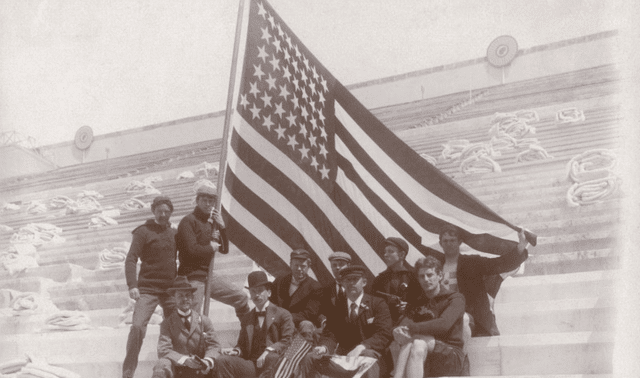
For women, the 1900 Paris Olympics signified a huge first, as previously, female athletes could not compete in the Olympics. In 1900, however, women competed in lawn tennis and golf events.
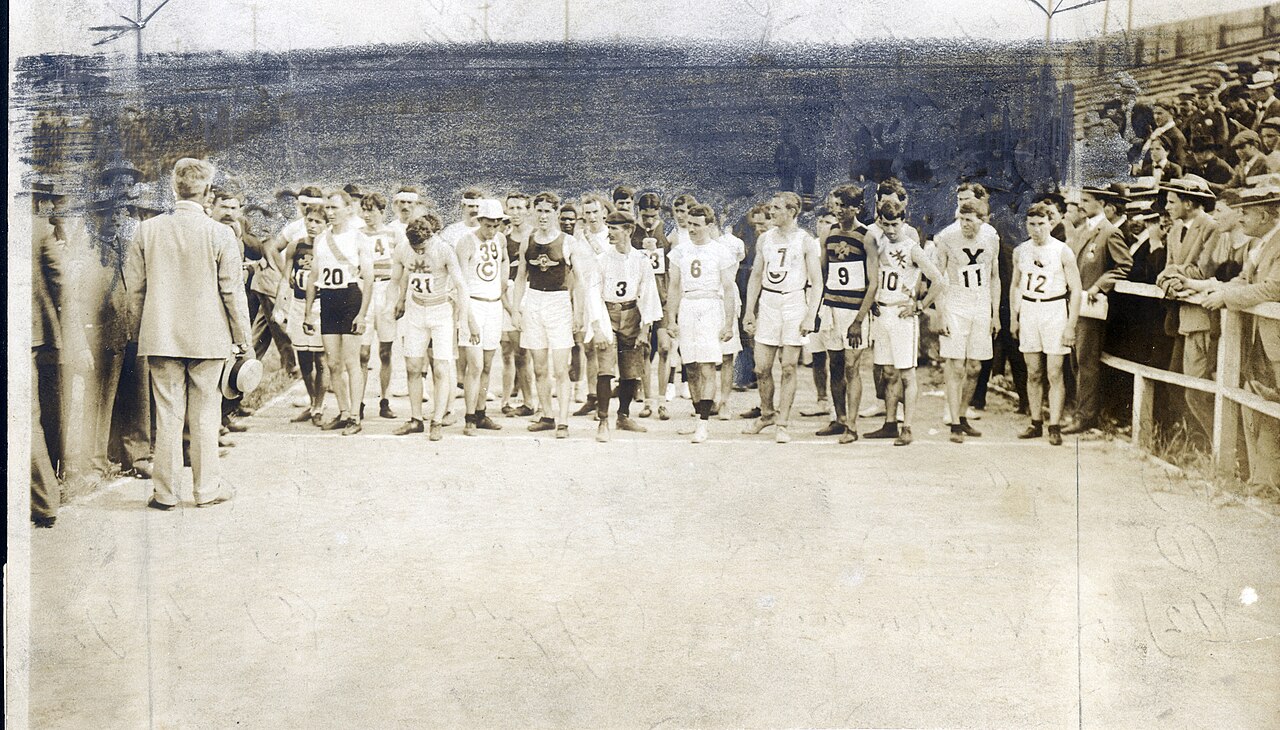
The 1904 Olympics are also notorious for the disastrous marathon, which included:
- The winner of the marathon was later disqualified upon the discovery of a photograph of him riding in a car during the race.
- The runner up nearly died as he was hallucinating by the end of the race due to being administered brandy, raw eggs and strychnine by his trainers during the race
- The fourth-place finisher took a nap during the race after eating spoiled apples.
- The twelfth place finisher was chased off course by a dog.
1916: A World at War
World War I caused the cancelation of the 1916 Olympic Games and reshaped the international community. Entire communities were displaced, borders shifted and millions were killed or wounded. An estimated 135 Olympians were killed during WWI, detailed in The Extinguished Flame: Olympians Killed in The Great War by Nigel McCrery (2016).
The 1920 Summer Olympics saw Austria, Bulgaria, Hungary, Germany and Turkey banned from the Games, as successor states to the Central Powers defeated during WWI, and in 1924, Germany was again not invited.
1936 Berlin, Germany: Propaganda on the World Stage
The IOC selected Berlin as the host city of the 1936 Summer Olympics in 1931. However, after the rise of Adolf Hitler to power, the plans for the Games became entangled in the politics of the Nazi regime.
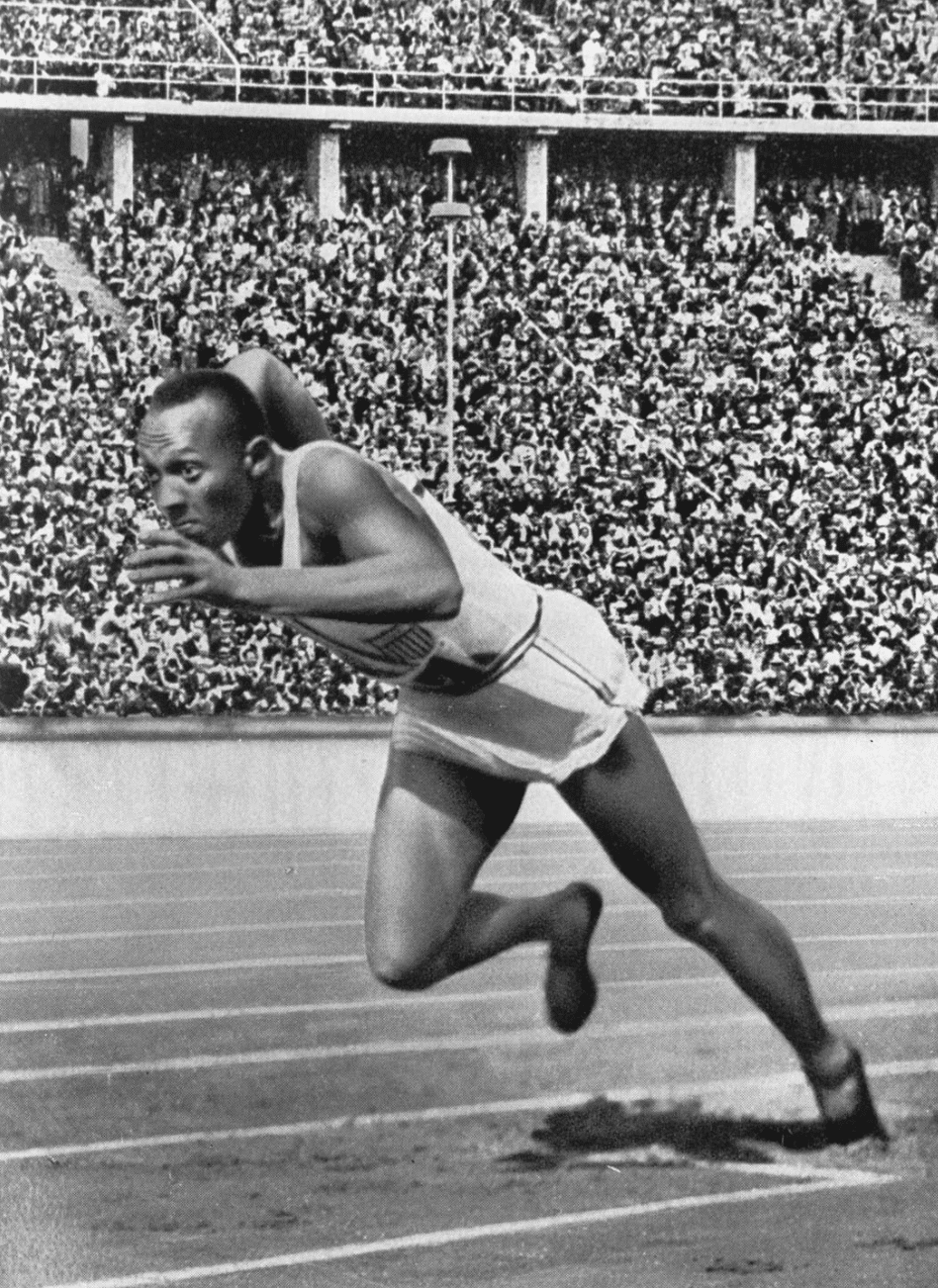
The 1936 Olympics in Berlin were used as a powerful tool for Nazi propaganda in order to present a carefully constructed image of Germany to the world. However, behind the scenes was increasing censorship, escalating persecution, particularly for Jewish families. Also present in the Summer Games was discrimination and vilification, as Jewish participants (those who were allowed to compete) and those of African descent were targeted. The victories of Jesse Owens, an African American athlete who won four gold medals, directly contradicted the myth of Aryan superiority.
Of the Olympians in these games, upwards of 300 to 500 athletes are estimated to have been killed during World War II as soldiers, civilian casualties and Holocaust victims.
1940 & 1944: The World Pauses Again
Scheduled to be held in Tokyo, Japan in 1940, the Summer Olympics were canceled on the outbreak of the Second Sino-Japanese War. The Games were then to be held in Helsinki, Finland, but that also didn’t happen because the Winter War broke out in 1939. Ultimately, upon the outbreak of World War II, the Olympic Games were suspended indefinitely.
Following the end of WWII, both Germany and Japan were banned from participating in the 1948 Summer Olympics in London, however, Italy, their former ally, was allowed to participate.
1960 & 1968: Expanding Inclusion
In 1960, the first official Paralympic Games occurred, growing out of sports competitions created by Sir Ludwig Guttmann, the organizer for athletic competitions for rehabilitating injured World War II veterans that began in 1948 (coinciding the 1948 London Olympics). Every Olympic year since 1960, the Paralympics take place and starting in 1988, they share the same host cities as the Olympic Games under the oversight of the International Paralympic Committee working with the IOC.
In 1968, a related but distinct movement began with the founding of the Special Olympics, now the world’s largest sports organization for children and adults with intellectual disabilities. While recognized by the IOC, the Special Olympics World Games are not held in conjunction with the Olympic Games and follow their own schedule and structure.
Together, these programs marked a major shift toward broader access and representation in international sport events.
1968 & 1972 : Protest and Political Violence
The late 1960s and early 1970s brought political unrest directly onto the Olympic stage. At the 1968 Mexico City Games, students in Mexico City tried to use the media attention for the Games to protest the authoritarian Mexican government. Just 10 days before the opening ceremony, the government responded, opening fire on student protestors in what would become known as the Tlatelolco Massacre.
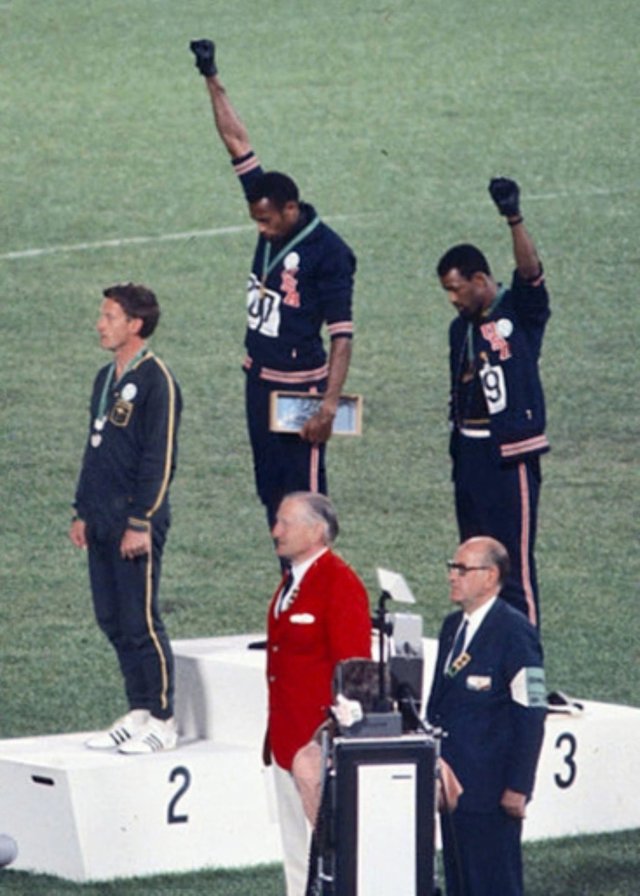
During those same Games, Tommie Smith and John Carolos, two black athletes from the U.S. that finished in the men’s 200-meter race first and third, performed the “Power to the People” salute (the Black Power salute) during the U.S. national anthem, turning the Olympics into a global platform for civil rights and political resistance.
Four years later, tragedy struck at the 1972 Munich Olympics when 11 members of the Israeli Olympic delegation were taken hostage and murdered by the terrorist group Black September inside the Olympic Village. Also killed by crossfire during a failed rescue mission was one West German police officer. The attack permanently changed the security of the Olympics.
1980 & 1984: Cold War Divisions
The 1980 Winter Olympics, held at Lake Placid, New York, is memorable for the “Miracle on Ice,” a hockey game played between the hosting U.S. and the Soviet Union on 22 February 1980. Although the Soviet Union was a four-time defending gold medaling team and favored to win, the U.S. won a victory 4-3. The victory became one of the most iconic moments of the Olympic Games and in U.S. sports.
Within a few months, however, the Summer Olympics held in Moscow in 1980 were boycotted by the U.S. after President Jimmy Carter instigated the boycott to protest the Soviet Union’s invasion of Afghanistan. A number of other countries also joined the boycott. The Soviet Union and its partners returned the gesture by skipping the Los Angeles Games four years later in 1984.
The years between the end of WWII and the fall of the Soviet Union saw many Olympic athletes and individuals associated with the Games defect from Soviet controlled countries. The number of asylum seeks peaked during the 1972 Munich Olympic Games with an estimated 100 athletes from the Soviet Union and its allied countries defecting from communist rule. After the end of the cold war there was a decrease in the number of athletes seeking asylum, however as international tensions rise and conflicts in countries occur, the number of asylum seekers grows at the Olympics in the 21st century.
1988, Calgary: An International Stage
The 1988 Winter Olympics in Calgary underscored just how global the Olympics had become when Jamaica sent its first-ever bobsled team. This moment is captured in the popular film Cool Runnings. A Caribbean nation competing captured worldwide attention and challenged long-held assumptions about who “belongs” in which events.
1992: The Olympic Schedule Changes
1992 marked the last time that the Winter and Summer Olympic Games were held in the same calendar year, with the Winter Games in Albertville and the Summer Games in Barcelona. After this, the IOC shifted the schedule so that the two events would alternate every two years instead of overlapping. This change expanded the spotlight on each Games and created the staggered cycle that exists today.
As a Chicagoland native, I can’t write about 1992 Summer Games without mentioning it as the year that basketball in the Olympics changed, as NBA players participated in the U.S. team for the first time. Led by Michael Jordan, the U.S. team won all of its games by at least 30 points and took home the gold medal. As some of the best to ever play the game, 11 of the 12 team members (including Scottie Pippen, Larry Bird, Magic Johnson and Charles Barkley) would go on to be inducted into the Hall of Fame.
1996, Atlanta: Terrorism at Home
The Atlanta Games were shaken by the bombing at Centennial Olympic Park which killed two and injured over 100 people. The terror attack transformed the Olympics that year from a celebration of international unity into a reminder of modern fear and domestic extremism.
2000, 2004, 2006 & 2018: The Koreas March Together
At the 2000, 2004, 2006 and 2018 Olympics, athletes from North Korea and South Korea marched together under a unified flag during the opening ceremony, a symbolic moment of cooperation between the nations that have remained divided since the Korean War. The 2018 Winter Games also featured a joint women’s ice hockey team. These moments have drawn worldwide attention to the people and families behind decades of political separation.
2021, Tokyo, Japan: A World in Lockdown
The COVID-19 pandemic postponed 2021 Tokyo Olympics. Athletes like Simone Biles publicly stepped back to prioritize their mental health, redefining what strength looks like in a world that was still reeling from loss, isolation and uncertainty.
Hidden Genealogy Clues in Olympic History
Host cities often saw population booms in the years leading up to the Olympics. Temporary housing, new stadiums, railroad lines and hotels brought workers from all over. Look for clues in the census and city directories to see if your ancestors were temporary workers, especially for construction projects, hospitality staff, translators, vendors and medical personnel. Your might also appear in employment records or union rosters.
Also check local newspapers. Papers local to the host cities of the Olympics covered everything: athlete profiles, stories from the crowds, volunteer lists and even ticket lotteries. Local newspapers from far away may have published letters sent back home from locals who attended these events. Look for your ancestor’s name plus “Olympics.” Also check for your ancestors under “Olympic trials” as they may have participated but not have been selected as an athlete for the Olympic Team.
Athletes, officials, journalists and spectators crossed borders to attend the Games. Passenger lists, passports or visa applications may reference or align with Olympic travel.
If you have ancestors that were directly involved with the IOC or competed as an athlete, the IOC has an Olympic World Library online, as well as a IOC Historical Archive. The IOC Historical Archive is not digitized, so contact the IOC if you are interested in anything found in their finding aids.
Also check out Olympedia which includes profiles for Athletes, as well as information about countries that have competed, each Games held, and the sports and disciplines held since the beginning of the modern Games.
Using the Olympics in Your Family Narrative
Instead of listing dates and events, use the Olympics as historical anchors. Here’s a few examples:
- As the world gathered in Los Angeles in 1932 for the Summer Games, my third great-grandparents were settling into their home in South Gate, just west of Olympic Park.
- The year before the U.S. boycotted the Moscow Olympic Games, my father was stationed in West Germany.
- When the 1936 Olympics were held in Berlin, my Jewish great-grandparents were preparing to flee the country and immigrate to New York City.
Final Thought: Your Family Was There
The Olympics aren’t just a sporting event, but they are a mirror of the world that our ancestors and we live in. War, peace, protest, migration, hope, resilience and more all play out on that global stage. And whether your ancestor was cheering from the crowd, stitching uniforms, constructing arenas, marching in protest or simply reading the headlines, they were part of that story.
Related Reads


A version of this article was posted online in February 2026
Author

Katharine Korte Andrew MS/LIS is a digital editor for Family Tree Magazine and professional genealogist.