Five Important Dates in Eastern European Genealogy

By Lisa A. Alzo

Sign up for the Family Tree Newsletter! Plus, you’ll receive our 10 Essential Genealogy Research Forms PDF as a special thank you.

Get Your Free Genealogy Forms

"*" indicates required fields

This field is for validation purposes and should be left unchanged.
This field is hidden when viewing the form
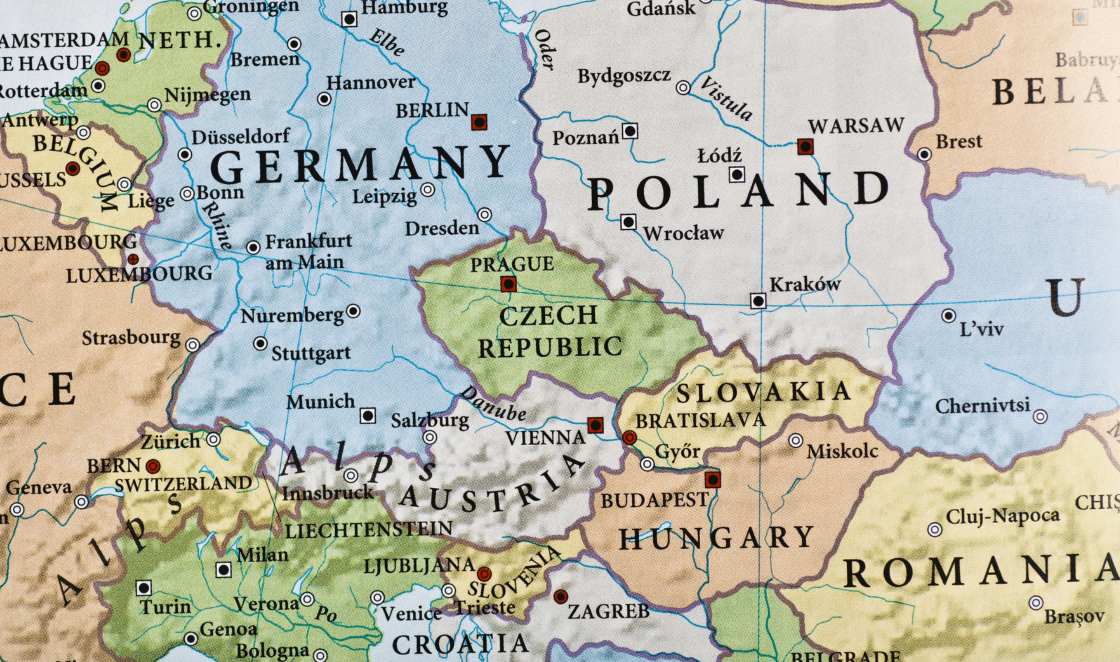
Map showing central European countries, including Germany, Poland, Czech Republic, Austria, Slovakia, Hungary, and surrounding regions with major cities labeled.

Genealogy and history go hand in hand. If you want to be successful in tracing your Polish, Czech or Slovak roots, brush up on the history of these countries (and of Eastern Europe in general) to better understand records from the old country and learn about your ancestors’ lives. Check out these five key dates in Eastern European history:

1772, 1792 and 1795: The Partitions of Poland

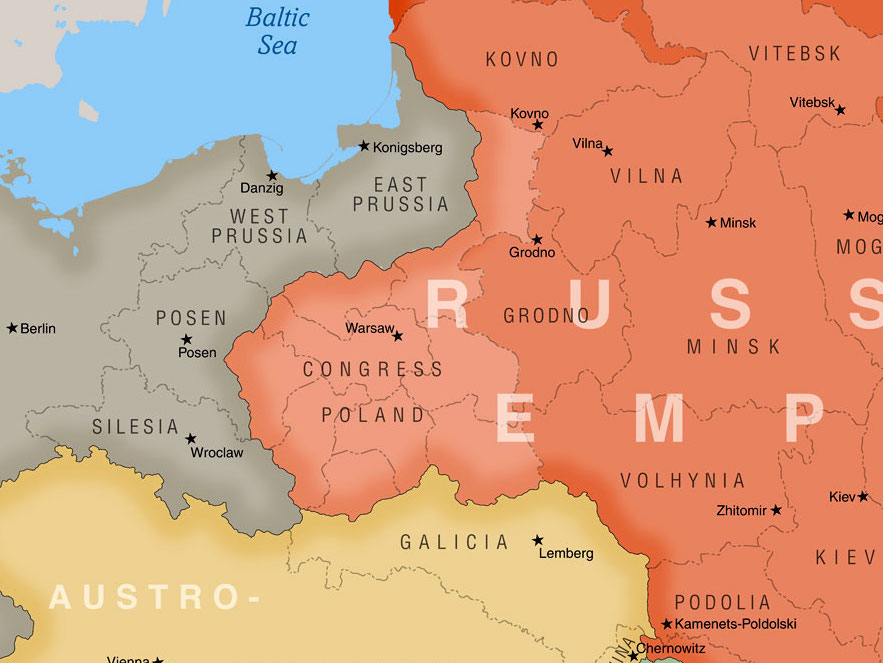
In the Three Partitions of Poland, Russia, Prussia and Austria break Poland into three pieces and absorb them. This effectively wipes Poland off the map for more than one hundred years, making research between these years and Poland’s independence after World War I difficult.
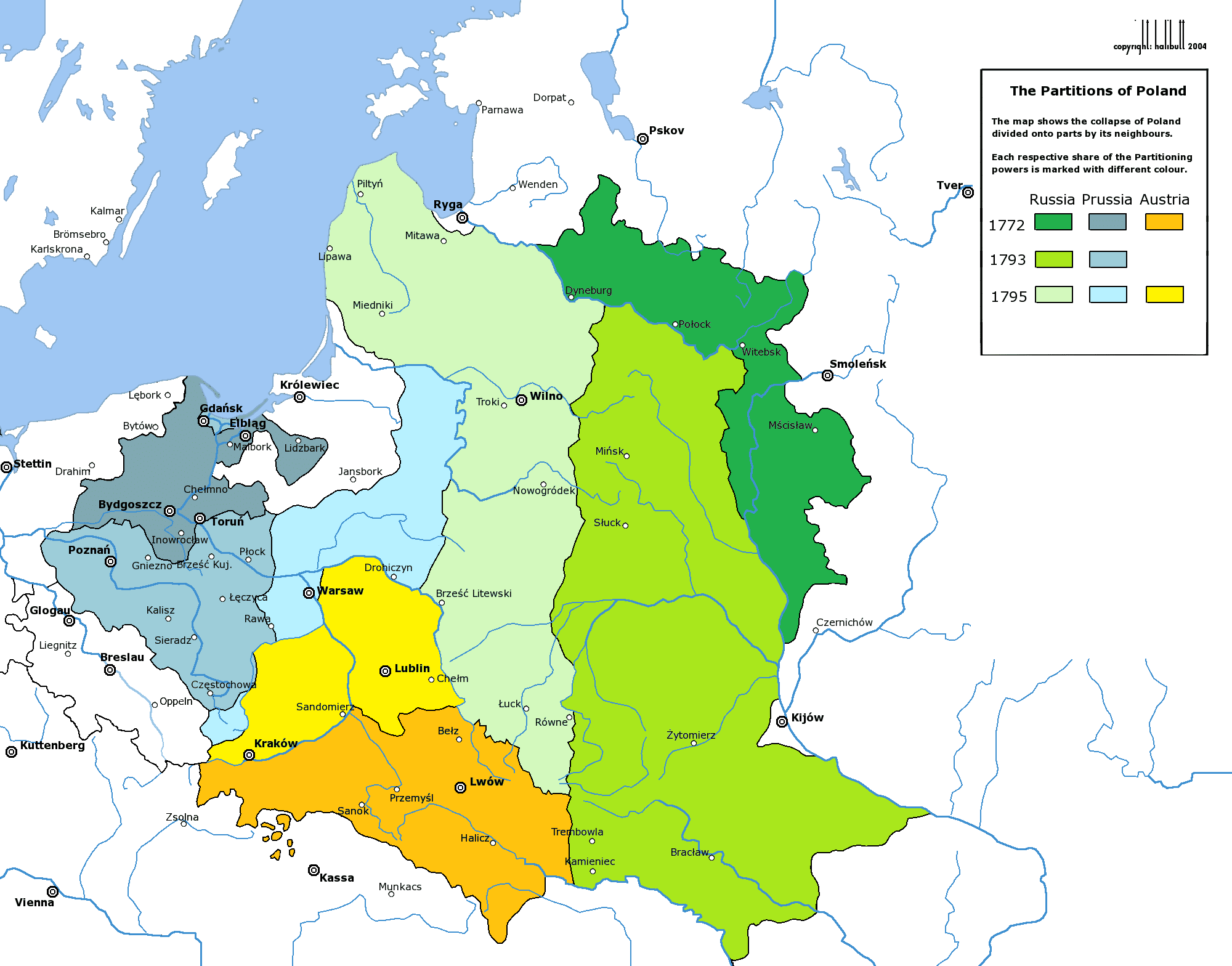
Map showing the partitions of Poland in 1772, 1793, and 1795, with territories divided among Russia, Prussia, and Austria, each marked by different colors.
The Partitions of the Polish-Lithuanian Commonwealth in 1772, 1793 and 1795. Courtesy of Wikimedia Commons.

1815: The Congress of Vienna

The Congress of Vienna redraws many of Europe’s borders, including Napoleon’s Duchy of Warsaw. Many of these borders won’t change until the end of World War I and likely reflect the divisions of Europe that were in place when your ancestor left the old country.
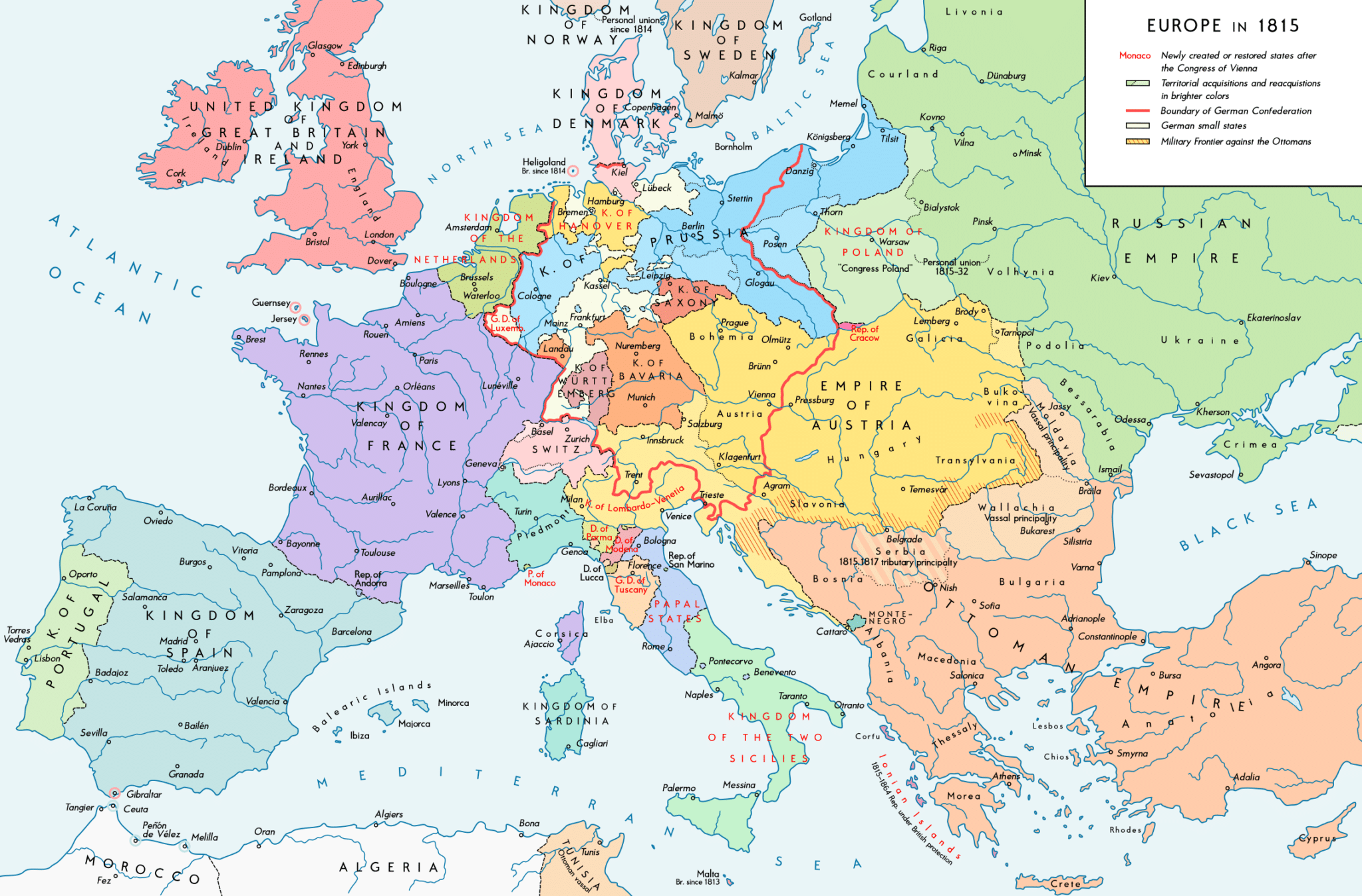
Map of Europe in 1815 showing political boundaries, country names, major cities, and empires such as the Austrian, Russian, and Ottoman Empires after the Congress of Vienna.
Europe 1815. Political situation after the Congress of Vienna in June 1815. Courtesy of Alexander Altenhof, Wikimedia Commons.

1867: The Austro-Hungarian Compromise of 1867

The Austrian and Hungarian governments form a dual monarchy, sharing a common ruler. As a result, your Polish, Czech and Slovak ancestors may list Austria and/or Hungary as a birthplace.
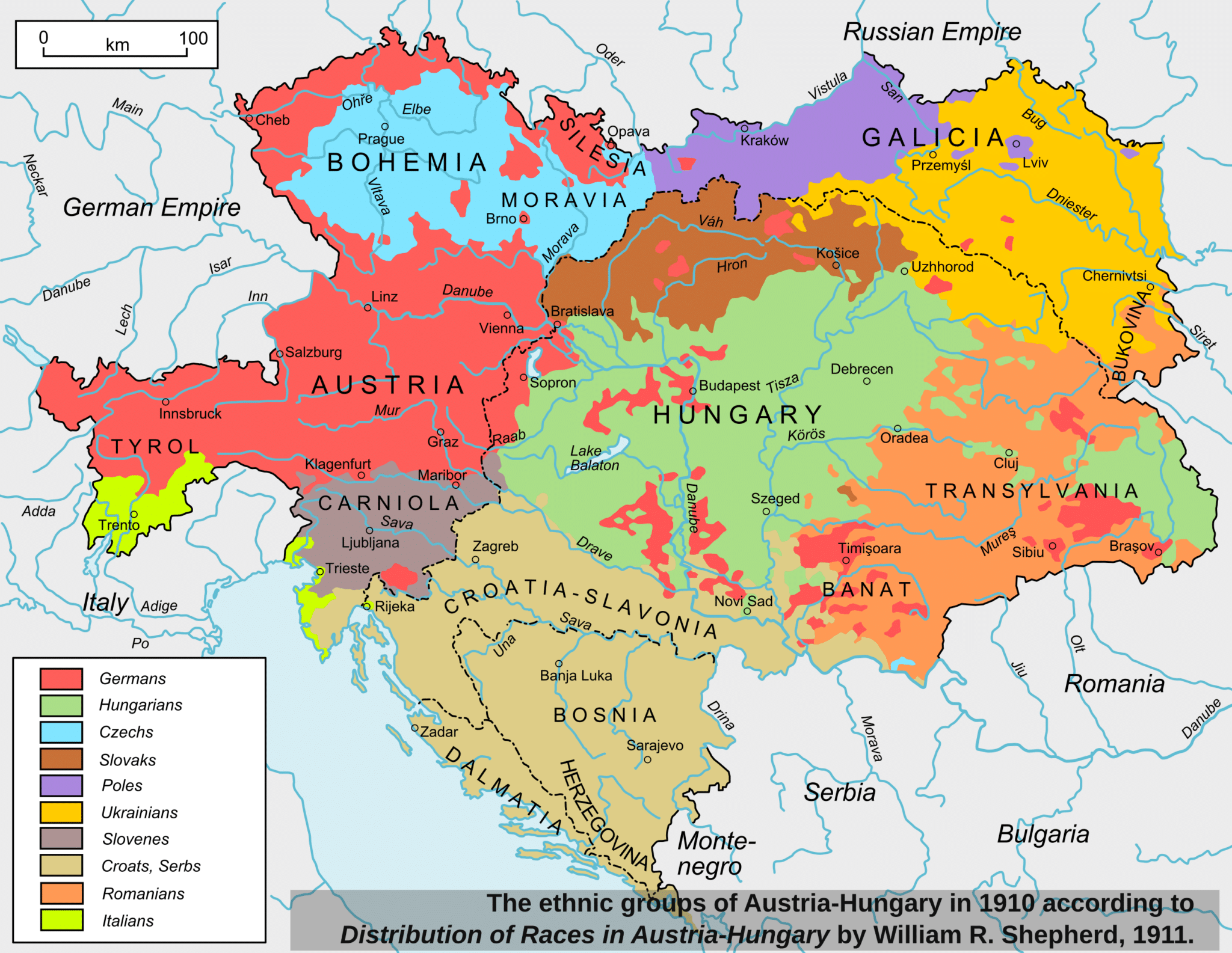
Ethnic groups of Austria-Hungary in 1910 shown in different colors, with regions labeled and a legend identifying each group by language.
The ethnic groups of Austria-Hungary in 1910. Based on “Distribution of Races in Austria-Hungary” from the Historical Atlas by William R. Shepherd, 1911. Courtesy of ArdadN, Wikimedia Commons.

1918: The Treaty of Versailles

With the Treaty of Versailles in 1918, World War I ends and Europe’s borders are redrawn, with many of Eastern Europe’s ethnic groups receiving independent nation-states. Poland gains independence for the since time since the Partitions, and the defeated Austria-Hungary is divided into Czechoslovakia, Yugoslavia, Galicia (which goes to Poland), and Transylvania (which goes to Romania). These changes may change how your immigrant ancestor chose to list his information on passenger lists and other North American records.
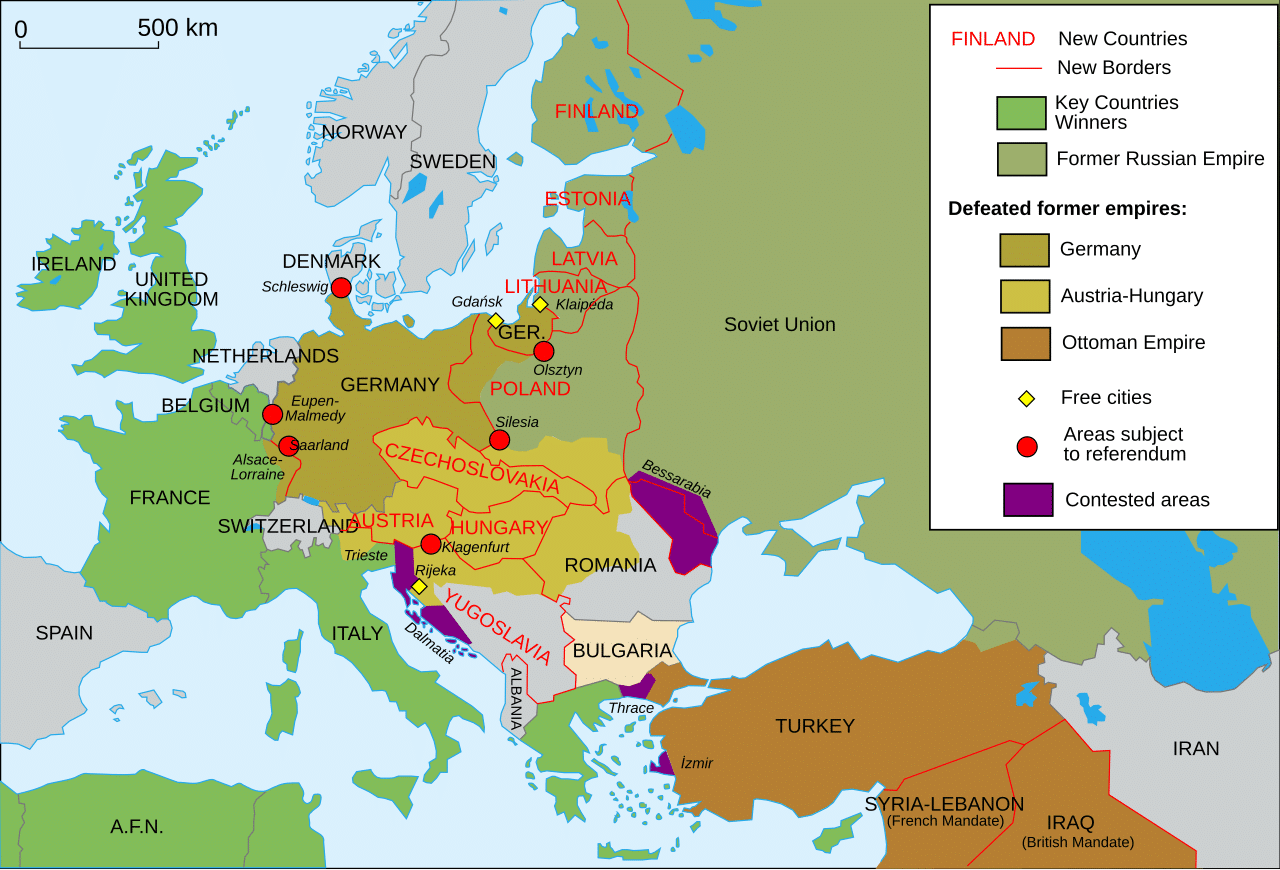
Map of post-World War I Europe showing new countries, border changes, defeated empires, key countries, and contested areas using color-coded regions and symbols.
Map of Europe and western Asia in 1923, after the Treaty of Versailles. Courtesy of Wikimedia Commons.

1945: World War II Ends

1945: World War II ends, and Eastern Europe’s population is devastated. Borders—especially Poland’s—change yet again following the war, with Ukraine gaining Subcarpathian Rus’ and Poland losing territory in the east to the Soviet Union but gaining formerly German territory in the west.

Related Reads

Discover your ancestor’s hidden homeland with this partitions of Poland map.
Put your Eastern European ancestors on the map with this guide to Polish, Czech and Slovak geographic resources.
Find your ancestor’s hometown with this Jewish history timeline covering Eastern Europe.

A version of this article was posted online in January 2016. Last updated: December 2025

Unlock Your Roots – One Free Account, Endless Discoveries.

Get access to family tree templates, research tools, and more.

Unlock Your Family Story!

Become a member of Family Tree and empower your genealogy research.

Standard Access

Premium Articles Only

Only $39.97/year

Plus Access

Full Access & More! Unlock everything:

Just $49.97/year