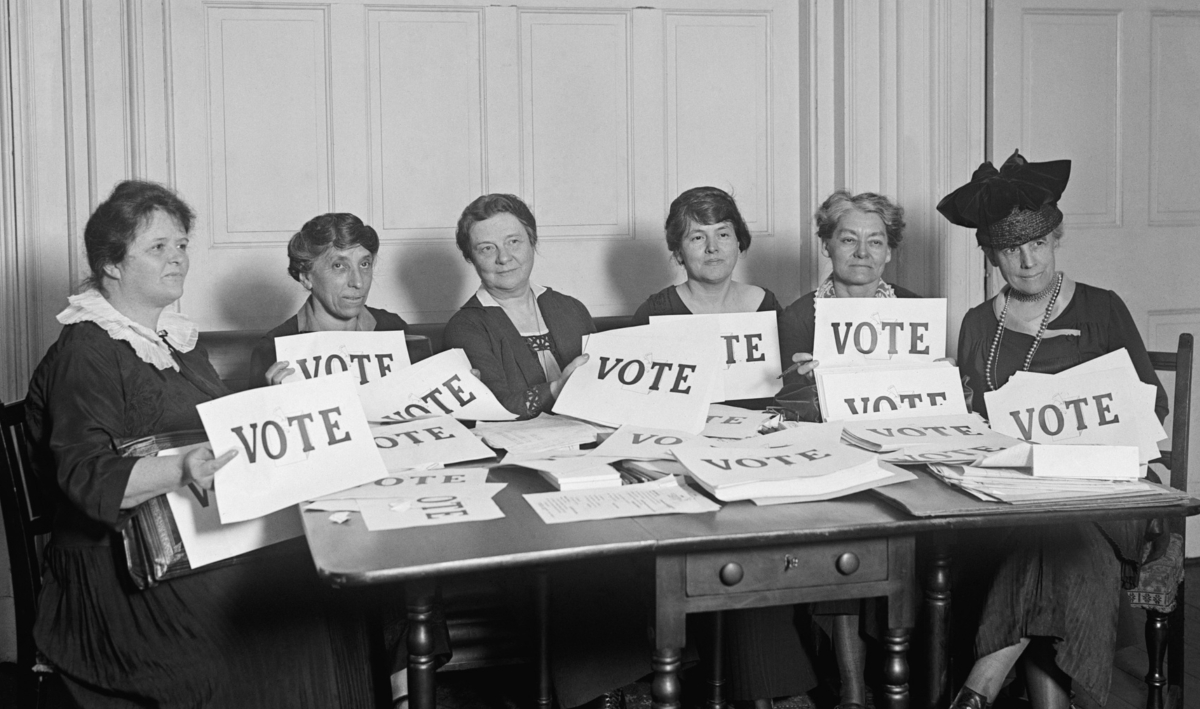
August 26th is Women’s Equality Day. Let’s have a look at what the day celebrates, and how it came about.
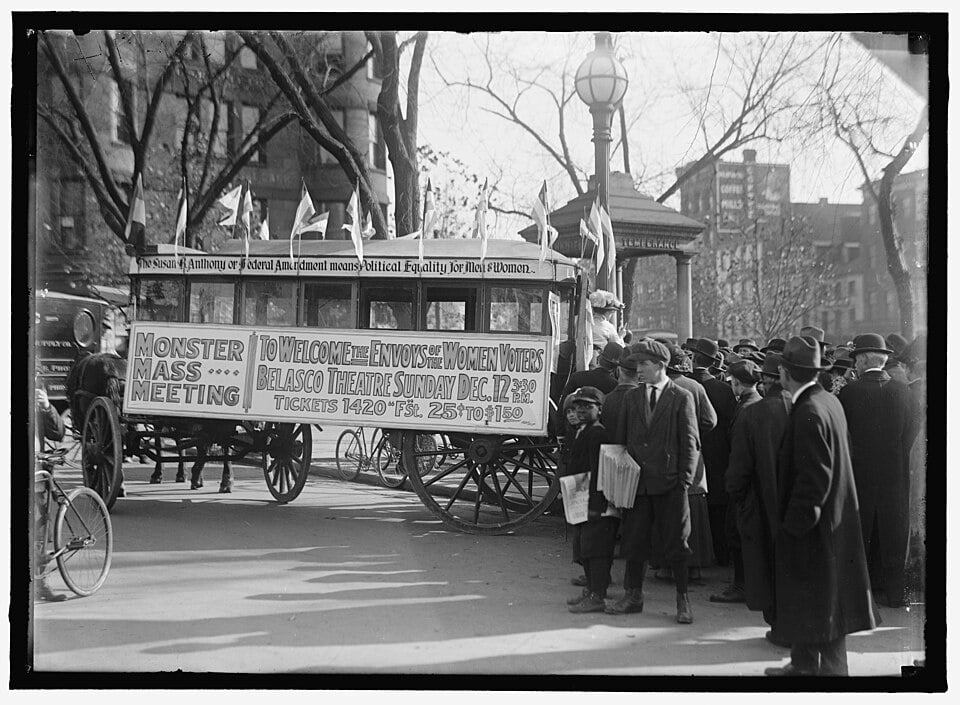
If you’re not quite sure what Women’s Equality Day recognizes, you’re not alone. It’s a day meant to celebrate the history of women in this country. More specifically, it’s the anniversary of the signing of the 19th Amendment, which gave (most) women the right to vote.
Getting the 19th amendment signed was no easy feat. Many historians acknowledge the start of this civil rights movement by women as having its formal beginnings in 1848 at the world’s first women’s rights convention, in Seneca Falls, New York. This is when 300 women and men sign the Declaration of Sentiments, a plea for the end of discrimination against women. In the following 72, the movement faced a large uphill battle. Here are just a few of the setbacks that they faced:
- 1866: The 14th Amendment is passed by Congress, defining “citizens” and “voters” as “male” in the Constitution.
- 1872: Female federal employees (but not private sector workers) guaranteed equal pay for equal work under the law.
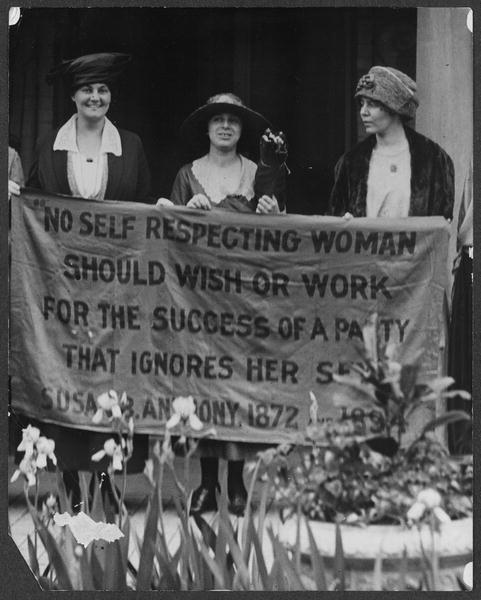
- 1872: Susan B. Anthony casts her first vote to test whether the 14th Amendment would be interpreted broadly to guarantee women the right to vote. She is convicted of “unlawful voting.”
- 1873: The Supreme Court rules that a state has the right to exclude a married woman from practicing law.
During these pivotal years, several women, including Susan B. Anthony and Alice Paul, took charge by lobbying Congress and the White House on behalf of American women.
Things finally took a major turn in 1917, when President Wilson made the decision to enter World War I. Those working with the suffrage movement argued that the effort to “make the world safe for democracy” (Wilson’s words) ought to begin at home by extending rights to women, who make up around half of the population. Not only that, but failing to extend the right to vote to women would also likely decrease their participation in the war effort—which was acutely needed.
After a lengthy three year process, the Amendment was ratified on Aug. 26, 1920.
Did any of your ancestors take part in the women’s rights movements? Have you discovered any political activists in your family tree? Perhaps somewhere along your bloodline, someone helped fight for equality.

A version of this article was published online in August 2017. Last updated: August 2026
Related Reads