
Stay current with genealogy news, fresh articles, podcasts and updates in our monthly Family Tree roundup.
Catch up on the news
- October 2026
- August 2026
- July 2026
- June 2026
- May 2026
- April 2026
- March 2026
- February 2026
- January 2026
- December 2025
- November 2025
- October 2025
- September 2025
October 2026
If you missed the articles below and want the latest expert tips, advice and research discoveries delivered to your inbox, sign up for our daily or weekly e-newsletter.
Check out October 2026’s news headlines:
RootsTech 2027 registration opens and two keynote speakers are announced: CeCe Moore and Jane Seymour. The theme of RootsTech 2027 is “Celebrate!”
Cuba Research Project launches a collaborative Cuban Family Tree to help families reconnect with their roots. The family tree builds on the Cuban Research Project’s existing record collections by allowing users to build, connect and document Cuban family lines within a shared and searchable family tree.
Ancestry.com publishes nearly 4 million digitized records from the Former British Colonies Enslavement Registers (1813-1840). The collection includes 300,000 register pages spanning 20 former British colonies and is free.
AncestryDNA previews what’s coming with the annual DNA update, which will double the number of ancestral regions available. The update is powered by a larger reference panel and a new region assignment algorithm.
Heredis 2027 launches with many major new features, including the integration of AI with an AI Reading Assistant and a comprehensive assessment of family tree files that checks the health of a tree, consistency of the file and for genealogical anomalies. Read more:
- “New Features Heredis 2027,” Heredis
- “Heredis 2027 Launched — Genealogy Family Tree Software With AI” by Randy Seaver, Genea-Musings
Genealogy software Evidentia 4 releases. Evidentia 4 expands on Evidentia 3+ with a new form assistant, research plan, window zoom and markdown reports. Users upgrading to Evidentia 4 will need to get a new license key. Read more:
- “What’s New in Evidentia 4: A First Look” by Ed Thompson, Evidentia Software
- “Moving to Evidentia 4, Whatever Version You’re Coming From” by Ed Thompson, Evidentia Software
Jason Duncan has released several new map tools on webjmd.com: Ancestor Map Builder, Journey Builder, Deed and Tract Plotter, Map Overlay and Field Notes. Read more:
- “Field Notes – Mapping Tool #5” by Jason Duncan, webjmd
- “New Map Overlay Tool” by Jason Duncan, webjmd
- “Three New History Mapping Tools” by Jason Duncan, webjmd
A new website called depeve (Deutsches Personenverzeichnis) launches, which aims to become the central website for hosting German civil records. Due to the decentralized archive landscape of Germany, there’s no single website for civil records yet and Depeve aims to change that. The site is currently in beta and in German (so English-speaking users will have to use a translation tool to navigate the website).
New and updated articles in October 2026



October 2026 podcast

August 2026
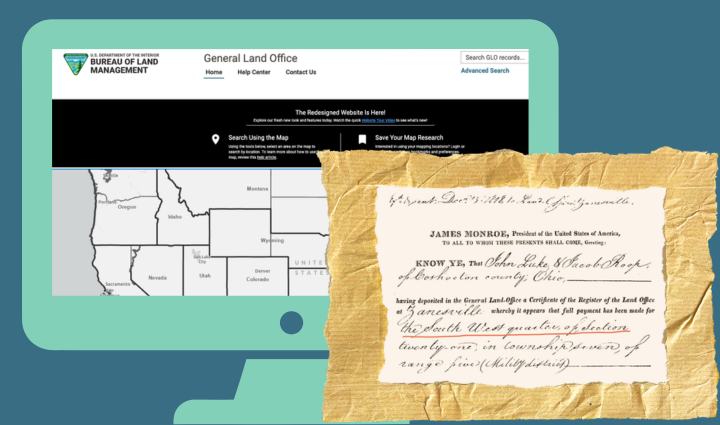
As August comes to an end, we’re excited to share new articles to support your family history research. This month’s topics include finding patents at the General Land Office’s redesigned website, what not to preserve in your family history collection, breaking down brick walls and Civil War research.
If you missed these articles and want the latest expert tips, advice and research discoveries delivered to your inbox, sign up for our daily or weekly e-newsletter.
Check out August 2026’s news headlines:
The possibility of the National Archives closing the San Francisco (San Bruno) and Chicago offices has been all over the news. To keep up to date on the possible closures, check out SaveOurNationalArchives.org to get the latest news, as well as ways to take action.
Bradford P. Wilson is confirmed by the U.S. Senate as the 12th Archivist of the United States.
AncestryDNA is rolling out an update to SideView. SideView 2.0 improves the organization of users’ DNA by parent, increasing the number of matches assigned to a parent and improves the “by parent” results in regions, journeys and traits. AncestryDNA has also launched a redesigned ThruLines and a new way to filter DNA matches by ancestral regions. Read more:
- “Updates to Your DNA Results with SideView 2.0” AncestryDNA Support
- “Filter by region now on AncestryDNA” by Patrick Jones, Frequent Traveler Ancestry
- “New feature!” posted by u/BulkyFun9981 on r/AncestryDNA
- “Ancestry’s Updated ThruLines: What I Like and What I’d Like To See In Future Updates” by Marie Cooke Beckman, MarieB’s Genealogy Blog
FamilyTreeDNA’s Family Finder has officially switched to a targeted next-generation sequencing panel. Users whose Family Finder was processed prior to March 2026 or who transferred their autosomal data from another company to FamilyTreeDNA can now upgrade their results to be processed with the next-generation sequencing. Because of this shift, FamilyTreeDNA has retired its autosomal DNA unlock for transferred (uploaded) DNA files on August 18th. Users can still transfer their files to FamilyTreeDNA, but will not get access to many features included in the unlock. Read more:
- “Autosomal DNA Unlock at FamilyTreeDNA to Be Retired August 18th” by Roberta Estes, DNAeXplained
- “Zoom In on Your Roots: Upgrading Your Family Finder® to Next-Generation Sequencing” by Katy Rowe-Schurwanz, FamilyTreeDNA
MyHeritage DNA announces the launch of Y-DNA analysis. Y-DNA results are available for male customers only and require users to have a Complete or Omni subscription to MyHeritage.
MyHeritage adds new features to MyStories, including an AI-based editor, audio QR codes and dedication pages.
23andMe adds 137 new genetic groups across Southeast Asia and Madagascar; 44 new Historical Matches, including Sarmatian and Hun-period individuals from the Carpathian Basin; and a new Premium Parental Inheritance tool, which allows members to see their Ancestry Composition split between parents. Read more:
- “23andMe Adds 137 New Genetic Groups Across Southeast Asia and Madagascar” by Alisa Lehman, 23andMe
- “New Historical Matches Bring Back a Forgotten People” by Éadaoin Harney, 23andMe
- “You Asked Which Parent You Got It From. Now You Can Find Out” by Sarabeth Hamberlin, 23andMe
FamilySearch has improved the merge experience, allowing users to merge duplicate individuals in the tree with a simpler interface and process with better guidance.
25 years after the 11 September 2001 attacks, a 9/11 victim has been identified for the first time using genetic genealogy. Read more:
- “9/11 victim identified using first-of-its-kind genetic genealogy technique” by Aaron Katersky, ABC News
Dolly Parton, award-winning country music performer, passed away at age 80. Parton spent her lifetime telling her family history: stories of family, poverty, faith, home and growing up in the mountains of East Tennessee. Through her Imagination Library, she helped millions of kids discover stories of their own, encouraging generations to read.
New and updated articles in August 2026





August podcast

July 2026
As July comes to an end, we’re excited to share new articles to support your family history research. This month’s topics include a guide to using JewishGen; an overview of Ancestry.com’s MyTreeTags and Ideas; and tips for preserving old maps. Plus, don’t forget to check out our newest podcast!
If you missed these articles and want the latest expert tips, advice and research discoveries delivered to your inbox, sign up for our daily or weekly e-newsletter.
Check out July 2026’s news healines:
Ancestry.com launches several new beta features, tools and updates: Ideas, Tree Compare, a new hints page, AI-powered timeline tool and an updated record viewer layout. Read more:
- “Ancestry “Tree Compare” in Beta” by Marian B. Wood, Climbing My Family Tree
- “Ancestry’s New Hints Page: More Than a Layout Change” by Doris Kenney, A Tree With No Name
- “Ancestry Hints Update: My Notes Are Back!” by Doris Kenney, A Tree With No Name
- “Ancestry’s New AI “Fill in Timeline Gaps” Feature: A First Look” by Diane Henriks, Know Who Wears the Genes in Your Family
- “A Day Makes A Difference | Ancestry’s New Record Viewer Layout” by Doris Kenney, A Tree With No Name
- “Build Deeper Connections with Our Redesigned Record Page” by the Ancestry Team, Ancestry.com
- “Get Ideas and Details on Your Family Tree” by the Ancestry Team, Ancestry.com
AncestryDNA updates the relationship predictions for DNA matches by incorporating information from shared matches. Read more:
- “AncestryDNA Updates Their Relationship Predictions” by Dr. Leah Larkin, The DNA Geek
- “Updates to DNA Match Relationships” AncestryDNA
- “Science of: New Relationship Prediction Tools for Close Family” by Aaron Wolf, Ancestry.com
Fold3 adds a new collection of World War I Army Award Cards to the website.
A new Google Chrome extension, Shoebox Plus Organizer, launches that allows users to instantly search, sort, and filter their Ancestry.com Shoebox.
Miriam Weiner, renowned Jewish genealogist behind the acclaimed Routes to Roots Foundation, has donated her massive genealogy collection to the Sherwin Miller Museum of Jewish Art. The museum plans to remodel its library to house the archival material and announced that it will eventually host the Routes to Roots Foundation website. Read more:
- “Renowned Jewish Genealogist Miriam Weiner Donates Collection to The Sherwin Miller Museum of Jewish Art” by Phil Goldfarb, JewishTulsa.org
MyHeritage is laying of 15% of its workforce. Read more:
- “MyHeritage to lay off 15% of workforce” by Meytal Vaizberg, Globes
FamilySearch updates its full-text search by adding a toggle to include limited access content in search results. Read more:
- “FamilySearch’s Limited-Access Toggle: A New Research Tool” by Diana Bryan Quinn, Moments in Time Genealogy
- “A Follow-Up: Different, Not Better — Full-Text Search’s Toggle and the FamilySearch Catalog” by Diana Bryan Quinn, Moments in Time Genealogy
Genealogy Assistant recaps the updates made to their tools (Genealogy Assistant, Genealogy Blurring and OpenTranscribe) in April, May and June, which includes: several new keyboard shortcuts; smarter search capabilities; integration of the DNA match highlighting tools with DNA Painter’s Shared cM Tool; and a new Library view in OpenTranscribe that allows users to index, search and brose already transcribed files. Read more:
- “What’s new in Genealogy Assistant? | Q2 2026” by Dan Maloney, Genealogy Assistant
23andMe adds 47 new Genetic Groups across Oceania increasing its detailed breakdown of Pacific Islander and Native Hawaiian ancestry. Read more:
- “Mapping the Pacific: 23andMe Adds 47 New Genetic Groups Across Oceania” by Alisa Lehman, 23andMe
Louis Kessler releases version 2.0 of Behold, the GEDCOM-based genealogy software, which includes new features for genetic genealogy, additional tools for filtering individuals within a file, and more. Read more:
- “Behold 2.0 Now Available” by Louis Kessler, Behold Genealogy
NewspaperFinder launches a new Catalog feature, allowing users to search for newspapers by title and town.
The National Archives of Ireland takes its genealogy records platform offline for the foreseeable future due to maintenance and redevelopment. Dublin-based genealogist, Claire Bradley has posted a guide for accessing alternative copies of the records. Read more:
- “What made the National Archives of Ireland take down its genealogy records platform?” by Chris Paton, Scottish Genes
- “NAI Collections offline” by Claire Bradley, CBGenealogy
The British Newspaper Archive launches a newly redesigned platform.
New and updated articles in July 2026





July podcasts


June 2026
Between the summer heat, rain storms, barbecues, and Scottish soccer fans taking over Boston, June also brought plenty of genealogy news and new articles worth catch up on. This month, we released our annual 101 Best Genealogy Websites of 2026, highlighting sites to help you with your research. We also published several new articles covering everything AI research tools and tracing ancestors who passed through Angel Island. Plus, don’t forget to check out our newest podcast!
If you missed these articles and want the latest expert tips, advice and research discoveries delivered to your inbox, sign up for our daily or weekly e-newsletter.
Check out June 2026’s news headlines:
FamilySearch releases new menu options for viewing family groups and genealogies.
Ancestry.com updates the layout for its record viewer, adding a timeline feature and family drop-down menu for easier cross-referencing. Read more:
- “A Day Makes A Difference | Ancestry’s New Record Viewer Layout” by Doris Kenney, A Tree With No Name
The British Newspaper Archive announces that the platform will get a new look later this summer with improvements to its website. Read more:
- “British Newspaper Archive to unveil new look platform this summer” by Chris Paton, Scottish Genes
- “Introducing the BNA’s next edition: built for the future” by BNA, The British Newspaper Archive
MyHeritage launches a new website for America 250.
Find a Grave adds a 1776 badge to designate people who participated in the Revolutionary War.
New and updated articles in June 2026






June podcasts
May 2026
Between rising temperatures, graduation ceremonies and everyone suddenly remembering they own a grill, May also brought plenty of genealogy news and new articles worth catch up on. This month, we released our annual 75 Best State Websites of 2026, highlighting sites across all U.S. states and territories. We also published several new articles covering everything from the new Newspaper Finder tool, Greek genealogy and researching indentured servants. Make sure to check out the full list of new and updated articles below, as well as our two new podcast episodes.
If you missed these articles and want the latest expert tips, advice and research discoveries delivered to your inbox, sign up for our daily or weekly e-newsletter.
Check out this month’s news headlines:
23andMe expands its Ancestry Composition feature to include 31 new Genetic Groups across Vietnam. The company has also added more historical individuals to its Historical Matches feature. 23andMe Premium members can now compare their DNA against 35 historic individuals of the Goths. The company is also in the beta stage of releasing a new AI Health Summary feature, in partnership with HealthEx. This feature will integrate testers’ genetics with lifestyle and biomarker data to provide personalized and actionable recommendations for health insights and preventative medicine. Read more:
- “Celebrating AANHPI Heritage Month With New Vietnamese Genetic Groups” by Alisa Lehman, 23andMe
- “New Historical Matches Could Connect You to the Original Goths” by Éadaoin Harney, 23andMe
- “Help Shape the Future of Healthcare: Why We’re Connecting Genetics and AI” by Ana Hur, 23andMe
MyHeritage releases two new tools powered by AI to illustrate users’ genealogy research and pay tribute to passed family members: Family Infographics and Tribute Reel. Read more:
- “Tribute Reels from MyHeritage” by Roberta Estes, DNAeXplained
- “Introducing Tribute Reel: Turn a Loved One’s Photos Into a Heartfelt Video” by Erica, MyHeritage
- “Introducing Family Infographics: Turn a Loved One’s Life Story into a Beautiful Work of Art” by Daniella, MyHeritage
MyHeritage DNA updates Ancient Origins, now including notable individuals to allow users to discover if their DNA is similar to historical figures. The feature includes 32 notable historic figures whose DNA was recovered from archaeological remains and burials. Notable Individuals compares users’ DNA with these 32 samples and estimates the genetic proximity to each individual. Note that it does not indicate direct descent or family relationships with these historical figures, it just compares DNA similarity. Read more:
- “New in Ancient Origins: Discover Your Connection to Notable Individuals from History” by Daniella, MyHeritage
Ancestry.com updates its Full-Text Search to include some collections of handwritten records. The technology behind the Full-Text Search integrates AI for text transcription and word highlighting. Read more:
- “The Science Behind Full-Text Search on Ancestry” by Aaron Wolf, Ancestry.com
Ancestry.com and Fold3 have released another 2.6+ million Korean War draft records, containing over 4 million images from the states of Georgia, Louisiana, Massachusetts, Nebraska and South Carolina. Read more:
- “Explore 150+ Years of U.S. Draft Records” by the Ancestry Team, Ancestry.com
- “New Korean War Era Draft Cards on Fold3” by Jenny Ashcraft, Fold3
Both Ancestry.com and MyHeritage update their Terms of Service/Terms of Conditions to limit third-party AI-based agents from crawling, scraping and harvesting data from the websites, their services and their collections. Ancestry.com’s updates also includes a new Legacy Contact feature and updates to DNA-related use restrictions. Read more:
- “AI meets TOS” by Judy G. Russell, The Legal Genealogist
- “Ancestry Terms of Service Changes 2026: What Every Genealogist and DNA Tester Needs to Know (Effective May 12, 2026)” by Thomas MacEntee, Genealogy Bargains
Ancestry.com has updated its API, requiring users of RootsMagic and Family Tree Maker (for versions prior to 2024) to update their software in order to continue synching with Ancestry.com family trees. Read more:
- “Ancestry API Changes and Why Backups Matter” by Doris Kenney, A Tree with No Name
- “Ancestry API Update: What RootsMagic Users Need to Do Now” by Bruce Buzbee, RootsMagic
The Legacy Family Tree 10 genealogy software is now completely free thanks to their partnership with MyHeritage. MyHeritage also rebuilt the Legacy software site and the Legacy News blog. Additionally, FamilyTreeWebinars.com has been rebuilt by programmers from its parent company, to be 10 times faster, and is adding several new series and more content. The subscription price of Family Tree Webinars will increase by $10/year to $59.95/year, though MyHeritage Omni subscribers will not be affected by the price increase. Family Tree Webinars has also added real-time closed captioning to its live webinars. Read more:
- “A Massive Leap Forward: The All-New, Ultra-Fast FamilyTreeWebinars.com is Here” by Geoff Rasmussen, Legacy Family Tree
- “Real-Time Closed Captioning is Here for Our Live Webinars” by Geoff Rasmussen
Harvard University publishes a database of 1,613 identified individuals that were enslaved by Harvard University leaders, staff and faculty, or who were enslaved laborers on its between the years 1636 and 1865 in its new Harvard Slavery Remembrance Program database. The University will also donate these records to 10 Million Names. Read more:
- “Harvard releases information on 1,613 enslaved individuals” by Jacob Sweet, The Harvard Gazette
- “Harvard Slavery Remembrance Program” at Harvard & the Legacy of Slavery Initiative
The Jewish Community of Thessaloniki launches Iōsēpos, a new digital resource for family historians researching Jewish ancestors in Greece. The platform is valuable especially for those with Sephardic ancestry and brings together more than 212,000 items and over two million digital images.
The Library of Virginia announces a new digital collection, the Land Office Military Certificates, which contains documents of Revolutionary War veterans from the three-step process of obtaining bounty land in return for their service.
The Library of Congress, StoryCorps and Prego–yes, the pasta sauce brand–partnered in late April to create “Connection Keeper,” a device shaped like a pasta sauce lid to record family’s dinner conversations. The recordings can be submitted to StoryCorps to be preserved at the Library of Congress. Read more:
- “Want your voice preserved in the Library of Congress? Prego’s weird new collab could get you in for just $20” by Grace Snelling, Fast Company
New and updated articles in May





May podcasts


April 2026
Spring has officially sprung, and along with the flowers comes a batch of articles to help you with your family history research plus updates from the ever-growing world of genealogy. This month, we released new articles covering everything from the 1926 Census of Ireland to organizing and managing your digital photos, sharpening your search strategies on genealogy websites, and much more. Make sure to check out the full list of new and updated articles below, as well as our two new podcast episodes.
If you missed these articles and want the latest expert tips, advice and research discoveries delivered to your inbox, sign up for our daily or weekly e-newsletter.
Check out this month’s news headlines:
The National Archives of Ireland releases the 1926 census of Ireland and records over 20 million hits on its website on the first weekend of its release. Read more:
- “Census 1926: National Archives records 20 million hits on first weekend of release” by Niamh Browne, Irish Times
Newspaper Finder, a new tool for locating historical newspapers across online databases, makes a huge splash following its soft launch at RootsTech 2026. Read more:
- “Official Launch,” Newspaper Finder
- “Checking Out Newspaper Finder” by Marian B. Wood, Climbing My Family Tree
- “Newspaper Finder: The Free Tool Every Genealogist Needs to Find Historical Newspaper Archives Online” by Thomas MacEntee, Genealogy Bargains
GEDminer launches as new, free-to-use tool that helps analyze GEDCOM files and has over 12 genealogy analysis and research tools. Read more:
- “How to Analyze GEDCOM Files Efficiently with GEDminer” by Doris Kenney, A Tree With No Name
- “This Free, Elegant GEDCOM Analyzer Is a Wonder” by DiAnn Iamarino Ohama, Family Tree Advice
The Public Record Office of Northern Ireland (PRONI) launches a new website on April 30 that offers clearer navigation to explore their collections. Read more:
- “New Public Record Office of Northern Ireland (PRONI) website to go live on April 30th” by Chris Paton, Scottish Genes
The Board for Certification of Genealogists (BCG) launches a new podcast, BCG in Brief, to discuss the process of earning the Certified Genealogist credential and share best practices in standards, methodology and ethics in genealogy.
RootsMagic rolls out new updates to RootsMagic 11, including a pretty important one: it now uses Ancestry.com’s new API so users can keep syncing their trees. The old API is being shut off May 4, which means users of any versions of RootsMagic before version 11.1.0 will use the ability to connect with Ancestry.
MyHeritage adds Scribe AI to the MyHeritage mobile app.
The National Archives and Records Administration (NARA) passes the milestone of 500 million digitized pages in the NARA Catalog. Notable recent additions include over 850,000 records from the Veterans Administration Master Index, 2,000+ census enumeration district and related maps (including ones from the 1960 census), over 281,000 objects in the War of 1812 pension and bounty land warrant application files, and 70,000+ files in “World War II War Diaries, Other Operational Records and Histories, ca. January 1, 1942–ca. June 1, 1946.”
The City of Philadelphia announces its partnership with Ancestry.com to digitize nearly 20 million historical records, including birth, death and marriage certificates, dating back to the late 1600s. Read more:
- “Philly’s deal with Ancestry could reshape access to public records” by Chelsea R. Cox, Technical.ly
- “Philadelphia finalizes new ancestry agreement allowing millions of Philadelphia historical records online” by Jensen Toussaint, Philadelphia.today (MSN)
On the newspaper front, Newspapers.com adds 238 new papers in April, including titles from 17 states, Canada, England and Poland. Veridian has added and updated over 370 titles. Also this month, The British Newspaper Archive surpassed 102 million digitized pages. Read more:
- “238 New Papers Added!” by Jenny Ashcraft, Fishwrap
- “Veridian Adds/Updates 374 Titles – April 2026” by Kenneth R. Marks, The Ancestor Hunt
- “British Newspaper Archive passes 102 million pages” by Chris Paton, Scottish Genes
The Internet Archive has made over 125,000 U.S. Supreme Court records and briefs digitized and freely accessible. They have also published a new book, Vanishing Culture: A Report on Our Fragile Cultural Record, that discusses the erosion in access to knowledge, media and history. Read more:
- “U.S. Supreme Court Records and Briefs: The Arguments That Shaped America, Now Freely Available” by Merrilee Proffitt, Internet Archive
- “Introducing Vanishing Culture: A New Book on the Loss of Our Digital Memory” by Chris Freeland, Internet Archive
The New York Genealogical & Biographical Society’s Digitize New York project reaches the milestone of one million scans.
New and updated articles in April






April podcasts


March 2026
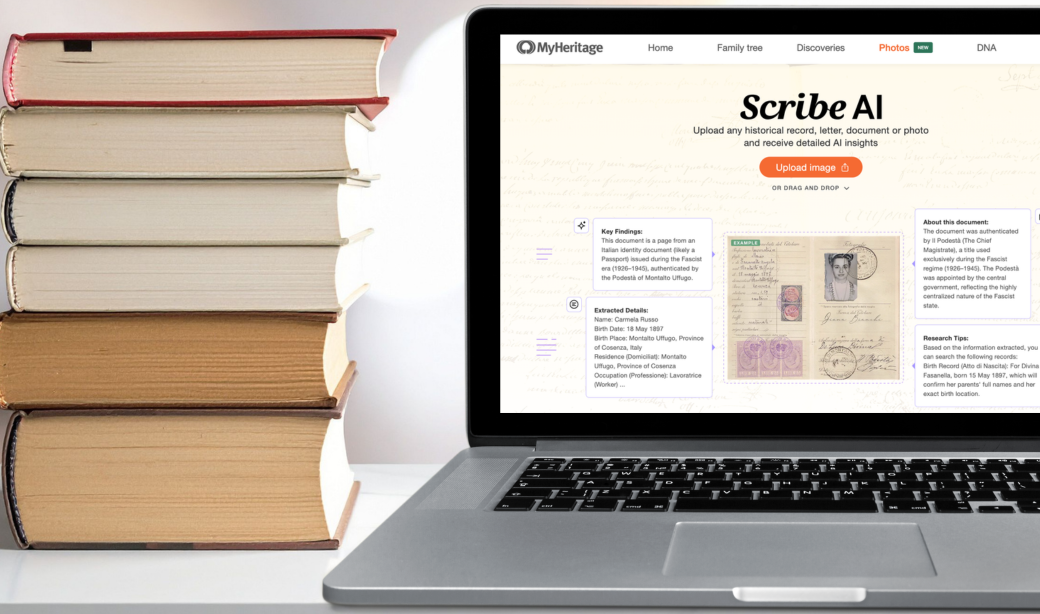
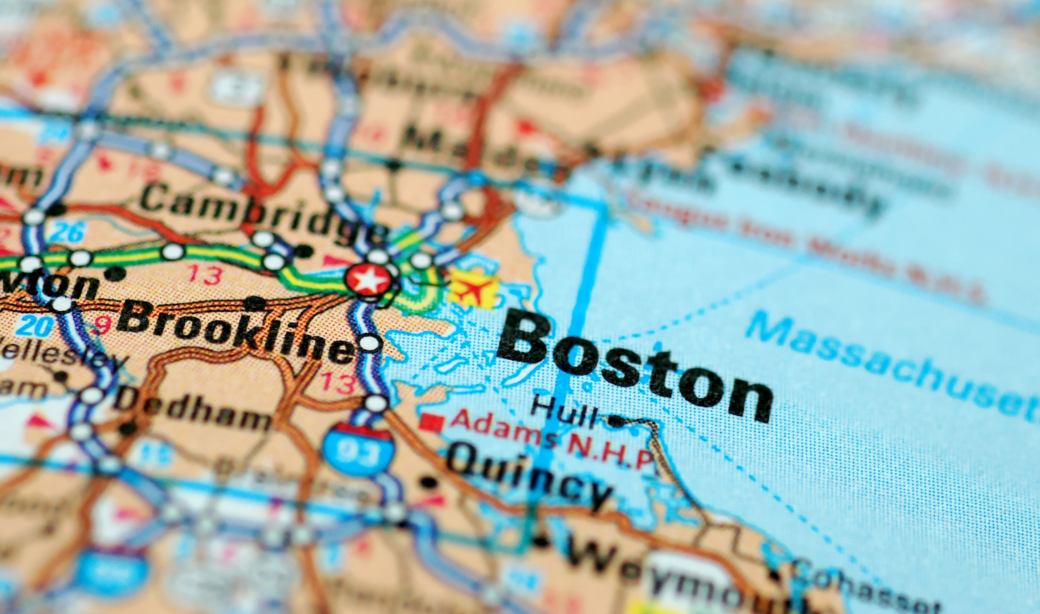
As the March 2026 comes to a close, we’ve been excited to share some new, updated and highlighted articles to support your family history research. This month’s topics include a review of the MyHeritage’s new research tool Scribe AI, a recap of RootsTech 2026, a genealogy guide to Boston, and tips for researching ancestral scandals. Plus, don’t forget to check out our newest podcast!
Check out this month’s news headlines:
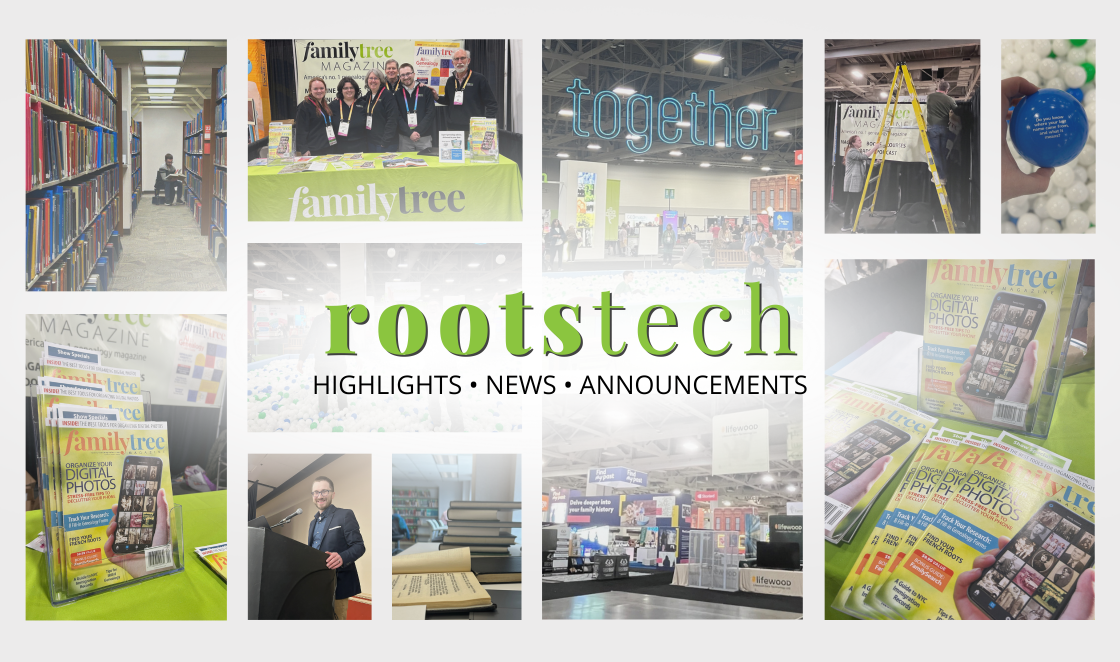
Many announcements were made at RootsTech at the beginning of this month. For a full recap of all the latest news from the annual conference, check out our recap here.
Ancestry.com fully releases the new AncestryAI tool. Read more at “Turning Family History Discoveries into Stories with AncestryAI” on Ancestry.com.
23andMe launches 144 new Genetic Groups across the Philippines and neighboring regions, as well as a new Genetics Learning Hub. Read more:
- “Beyond the Archipelago: Explore the Most Detailed Filipino Ancestry Breakdown with 23andMe” on 23andMe
- “Making Genetics More Accessible: Introducing the Genetics Learning Hub” by Anne Greb, M.S., CGC, 23andMe
FamilySearch announces a new partnership with the New York State Library and New York State Archives to digitize thousands of records. Read more at “FamilySearch and the Office of Cultural Education Collaborate to Expand Access to Genealogy Records” at FamilySearch.
The British Newspaper Archive surpasses 101 million pages. Read more at “British Newspaper Archive passes 101,000,000 pages with massive Irish newspaper upload” by Chris Paton at Scottish Genes.
After over a month of being down due to a ransomware attack, NewspaperArchive is back online and currently restoring several features.
New and updated articles in March


March podcasts


February 2026
As the February 2026 comes to a close, we’ve been excited to share some new, updated and highlighted articles to support your family history research. This month’s topics include a case study on identifying ancestral hometowns, resources for researching African American genealogy (just in time for Black History month), and much more. Make sure to check out the full list of new and updated articles below, as well as our two new podcast episodes.
If you missed these articles and want the latest expert tips, advice and research discoveries sent to your inbox, sign up for our daily or weekly e-newsletter.
Check out this month’s news headlines:
Library and Archives Canada is expected to experience a staff reduction despite receiving a largest-ever donation to preserve World War II records and completing a digitization project of 6 million Indian day school records. Read more:
- “Reading the Tea Leaves at LAC” by John Reid, Anglo Celtic Connections
- “Library and Archives Canada to cut 56 positions” by John Pringle, CTV News
- “Library and Archives Canada Foundation receives largest-ever donation to preserve and share WWII records” by Gail Dever, Genealogy à la carte
- “Library and Archives Canada wraps up digitization of 6 million Indian day school records” by Candace Maracle, CBC News
Roberta Estes reviews her MyHeritage whole genome sequencing results. Read more:
- “MyHeritage Whole Genome Sequencing (WGS) Results and Comparison” by Roberta Estes, DNAeXplained
FamilySearch launches a new generative AI tool that creates printable family tree designs. The site also launched its Relatives at RootsTech 2026 tools early this month. Additionally, FamilySearch Labs has also develops a new beta tool, “Simple Search,” that allows users to use plain language in the Full Text Search feature instead of filling out a form. Read more:
- “Create a free family keepsake” on FamilySearch
- “FamilySearch enters the world of generative AI” by James Tanner, Genealogy’s Star
- “Simple Search” on FamilySearch
- “Relatives at RootsTech 2026: Find Out Who You Are Related To!” by David Nielsen, FamilySearch
Ancestry.com releases a new AI-powered beta feature “Ideas” that generates guidance for genealogy research next steps, as well as a new Ancestry Stickies feature in the Notes field. The new features are currently being rolled out and not available to every subscriber. Read more:
- “Ancestry’s New Research Ideas: A First Look at AI-Powered Genealogy Guidance” by Diane Henriks, Know Who Wears the Genes in Your Family
- “Ancestry ‘Ideas’ in Beta” by Marian B. Wood, Climbing My Family Tree
- “New Ancestry Sticky Notes Aren’t Small Screen Friendly” by Doris Kenney, A Tree with No Name
Advantage Archives makes 1,150 collections comprising over 140 million US newspaper pages available online, funded by the individual libraries, library systems, historical societies and preservation institutions that serve as repositories for these collections. Read more:
- “140 Million Historic U.S. Newspaper Pages Now Available from Advantage Archives” by Kenneth R. Marks, The Ancestor Hunt
Genetic Affairs releases an AutoKinship tool to work with FamilyTreeDNA’s autosomal Family Finder matches. Read more:
- “AutoKinship by Genetic Affairs Builds Family Trees from Your Matches at FamilyTreeDNA, and More” by Roberta Estes, DNAeXplained
Frequent Family Tree University instructor Shannon Combs Bennett launches a new website: T2 Family History.
Secretary of State Marco Rubio ends his tenure as acting head of the National Archives, tapping James Bryon, senior advisor to the archivist, to its leadership. Read more:
- “Marco Rubio out as acting head of National Archives” by Jory Heckman, Federal News Network
The Pennsylvania Commonwealth Court is considering a case to determine whether digitized historical records belong to the public or are owned by Ancestry.com in a case between the company and Alec Ferretti of Reclaim the Records. Read more:
- “Who Owns PA’s Digitized History? We’re A Step Closer To An Answer” by Angela Couloumbis of Spotlight PA, New Hope Free Press
New and updated articles in February



February Podcasts


January 2026
As the first month of 2026 comes to a close, we’ve been excited to share some new and highlighted articles to support your family history research this new year. This month’s topics included a 2026 genealogy research plan, insights into AncestryDNA Journeys, how to use voting records in genealogy research, and much more.
If you missed these articles and want the latest expert tips, advice and research discoveries sent to your inbox, sign up for our daily or weekly e-newsletter.
Plus, don’t miss our latest podcast episode, which is now also available as a video interview on YouTube.
Check out this month’s news headlines:
- MyHeritage expands to 50 languages with the addition of Albanian, Basque, Bosnian, Georgian, Icelandic, Irish, Luxembourgish, Maltese and Welsh.
- MyHeritage launches a new feature for MyHeritage DNA: Traits.
- ScotlandsPeople’s Annual Update adds 290,000 new records.
- American Ancestors launches a new website to mark America’s 250th anniversary.
- Newspapers.com adds 218 new titles to their collection.
- FamilySearch releases the schedule for RootsTech, taking place in March 2026.
- Reclaim the Records publishes their 2025 Year in Review.
New, updated and highlighted articles in January
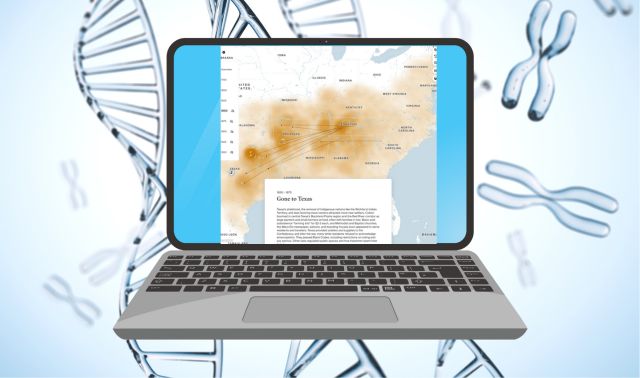


January Podcasts

December 2025
As the month (and year) comes to a close, we’re excited to share some new and highlighted articles to support your family history research. This month’s topics include researching across the US-Canadian border and its history, why you should revisit DNA test results (even years later), and a guide to researching genealogy in “burned counties.”
If you missed these articles and want the latest expert tips, advice and research discoveries sent to your inbox, sign up for our daily or weekly e-newsletter.
Check out this month’s news headlines, too:
- The social media genealogy chat, #GenChat, hosted its last chat in mid-December.
- The National Genealogical Society releases the agenda for its May 2026 conference.
- Ancestry.com publishes a blog post clarifying its policy on users’ data and requests from law enforcement.
- Ancestry.com adds a searchable collection of all the digitized family history books on its platform from the US.
- MyHeritage’s OldNews hits 400 million pages, including a new expansion into South American (Argentina and Uruguay) newspaper titles.
- Ancestry.com expands on their beta tool, AI “Listen & Explore,” with the addition to “Listen to their story,” that generates audio narratives based on historical records.
- 23andMe posts a roundup of the company’s 2025 updates and products.
- FamilySearch releases a new AI Research Assistant and a new way to search the full-text collections with “Simple Search.”
New, updated and highlighted articles in December


December Podcasts


November 2025
As the month comes to a close, we’re excited to share even more new and updated articles to support your family history research. This month’s topics include tips for using plat maps and Dawes Rolls in your research, research guides for North Carolina and Idaho, and a guide to genealogy gifts for everyone on your list this holiday season. Plus, don’t miss the two new podcast episodes from this month.
If you missed these articles and want the latest expert tips, advice and research discoveries sent to your inbox, sign up for our daily or weekly e-newsletter.
Check out this month’s news headlines, too:
- FamilySearch announces the speakers for RootsTech 2026.
- The United Kingdom raises the fee for obtaining digital copies of wills from England and Wales (post-1858) from £1.50 to £16 each (a 966% increase).
- Newspapers.com partners with Gannett, a media company, to digitize nearly 150 new titles across 29 states, including 91 titles that have issues spanning over 100 years.
- MyHeritage DNA releases a major update to Theory of Family Relativity, adding 103 million new theories.
- FamilyTreeDNA adds over 12,700 new mtDNA haplogroups to the updated mtDNA Tree of Humankind.
- AncestryDNA launches Custom Clusters, available to Ancestry Pro Tool subscribers, allowing test taker to make custom DNA clusters.
- 23andMe introduces a new beta feature available to premium members called “Reconstructed Ancestors,” which reconstructs parts of an ancestors’ genetic profile using DNA shared with relatives.
- The Kentucky Historical Society announces the launch of their newly updated website for the Civil War Governors of Kentucky Digital Documentary Edition, including a new look and improved searching capabilities.
New and updated articles in November



November Podcasts


October 2025
October was all about celebrating Family History Month. From uncovering ancestral roots to preserving family stories before winter sets in, we spent four themed weeks diving into the heart of genealogy.
Each week took on a new focus: global heritage, immigration, cemeteries and genealogy projects. Together, they offered a month-long reminder that family history and genealogy research is never static: it grows, evolves, and connects us across generations and the world.
We released five brand-new articles, including guides to transcribing tombstones, exploring local societies, organizing writing projects, and using websites and software. Plus, our two new podcast episodes on cemetery projects and websites helped us embrace spooky season in the best genealogical way. Many old favorites also got new updates, from German and English genealogy research to immigration records, gravestone symbols and even creating family cookbooks.
If you missed a week (or want to relive them all), it’s never too late to celebrate Family History Month. Your ancestors’ stories are always waiting (no calendar required)!
Check out this month’s news headlines, too:
AncestryDNA releases the Ancestral Origins 2025 Update, which includes ethnicity estimate updates that connects users DNA to now more than 3,600 places around the world.
Fold3 adds more records from states previously not included in its Korean War Era Draft Registration Cards collection, including Arizona, Indiana, Kentucky, New Jersey, New York, North Dakota, Rhode Island, South Dakota, Tennessee and Washington.
MyHeritage announces that it will transition its DNA test to whole genome sequencing. Learn more here.
Federal offices (including the National Archives and its branches cross the country) are closed due to the US government shutdown. You can still request records from federal agencies, but they won’t be fulfilled until the shutdown ends. Note that processing delays are likely even after the shutdown, as many offices have furloughed or cut staff.
New, updated and highlighted in October
Week 1 (Oct. 2–8): Heritage—Dive into global research strategies.


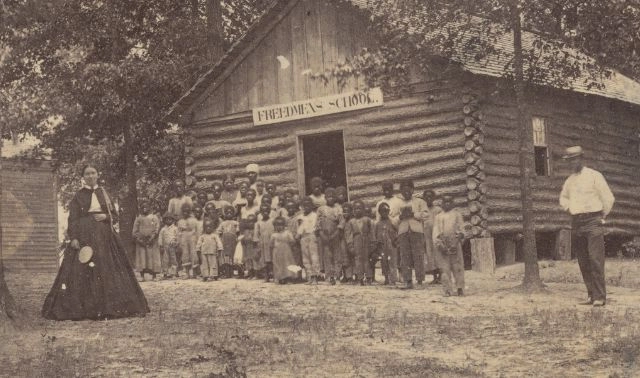


Week 2 (Oct. 9–15): Immigration—Focus on U.S. arrivals and migration patterns.




Week 3 (Oct. 16–22): Cemeteries —Learn about gravestone symbolism, burial records, and more.




Week 4 (Oct. 23–29): Projects & Preservation—Explore ways to write, record and organize your family history before winter sets in.




October Podcasts


September 2025
This past month, September eased us out of the hot, sun-soaked days of summer spent exploring cemeteries, snapping headstone photos and sitting in front of the air conditioning. Now, with cooler air creeping in and cozy weekends on the horizon, it’s officially the season of definitely watching football… and absolutely not getting sucked into 19th-century homestead records during halftime.
This month also brought that back-to-school feeling with a time to refocus and learn something new. We leaned into that spirit with three brand-new articles, two refreshed favorites to help keep your genealogy skills sharp as the seasons change. This month’s topics include tips for using Find A Grave, using AI in genealogy, researching Los Angeles and German ancestry, and getting the most out of the relaunched Elephand website. Plus, don’t miss our latest podcast episodes on homestead records and using Veridian to find historical newspapers.
Additionally, Family Tree Magazine editor Andrew Koch launched a Substack–another way to keep up-to-date with what’s going on behind the scenes at your favorite genealogy magazine.
Check out this month’s news headlines, too:
- The Newberry Library relaunches the Atlas of Historical County Boundaries with a new interface design.
- 23andMe announces that a major update to its Ancestry Composition report will come soon.
- Ancestry.com shops around for a new owner or IPO.
- AncestryDNA announces that a new Ancestral Origins update will come soon.
- RootsTech 2026 registration officially opens.
- Veridian launches Elephind version 2.0 with new search tools and collections.
- BillionGraves adds new features.
- RootsMagic 11 is released with significant new features and updates to the software.
So, what’s next? Family History Month!
To make the most of Family History Month, be sure you’re signed up for our daily and weekly e-newsletters! Each week in October, we’ll share themed content, expert advice, and brand-new articles to help you learn and stay inspired:
- Week 1 (Oct. 2–8): Heritage — Dive into global research strategies.
- Week 2 (Oct. 9–15): Immigration — Focus on U.S. arrivals and migration patterns.
- Week 3 (Oct. 16–22): Cemeteries — Learn about gravestone symbolism, burial records, and more.
- Week 4 (Oct. 23–29): Projects & Preservation — Explore ways to write, record, and organize your family history before winter sets in.
Don’t miss a week—subscribe now and make this Family History Month your most productive yet!
New and updated in September


September Podcasts


This article was posted online on 29 September 2025. Last updated: December 29, 2025
Author

Katharine Korte Andrew MS/LIS is a digital editor for Family Tree Magazine and professional genealogist.